Last updated November 21, 2026
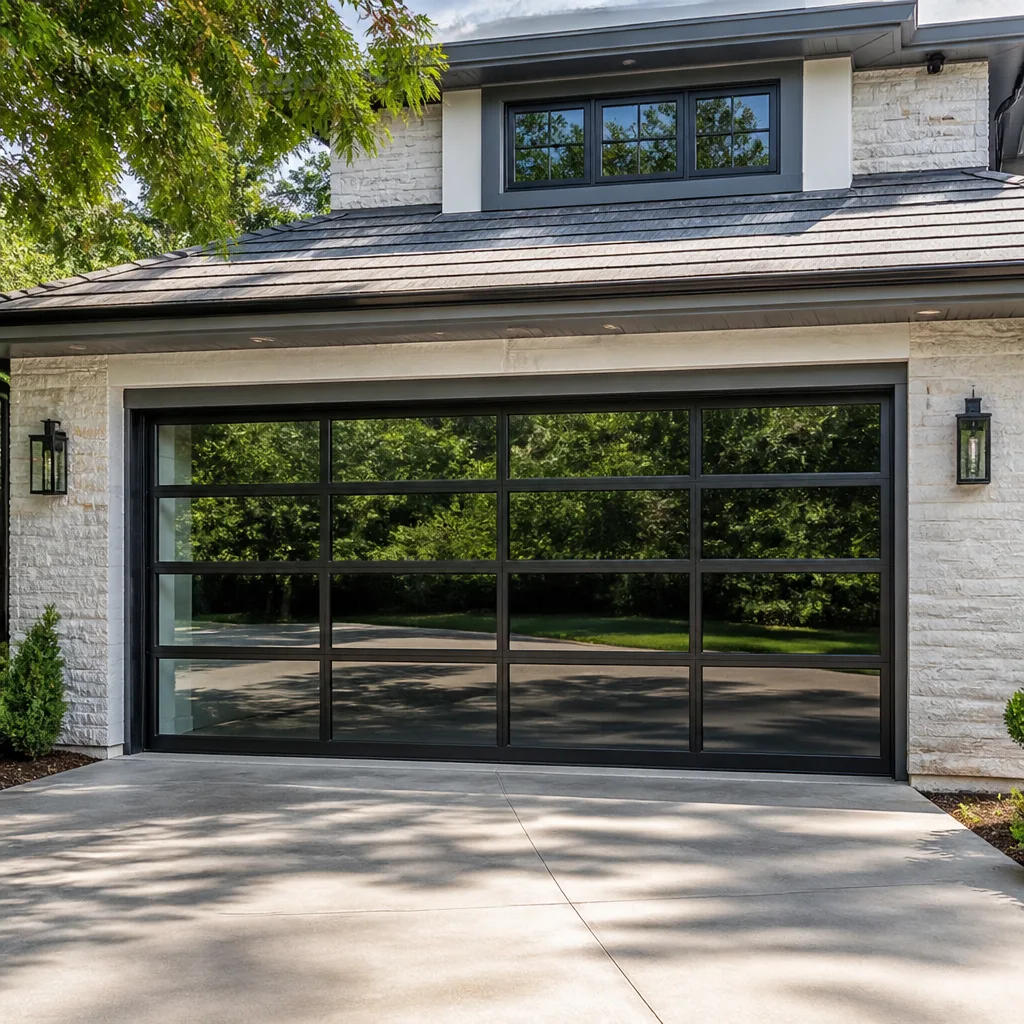 Full-view glass
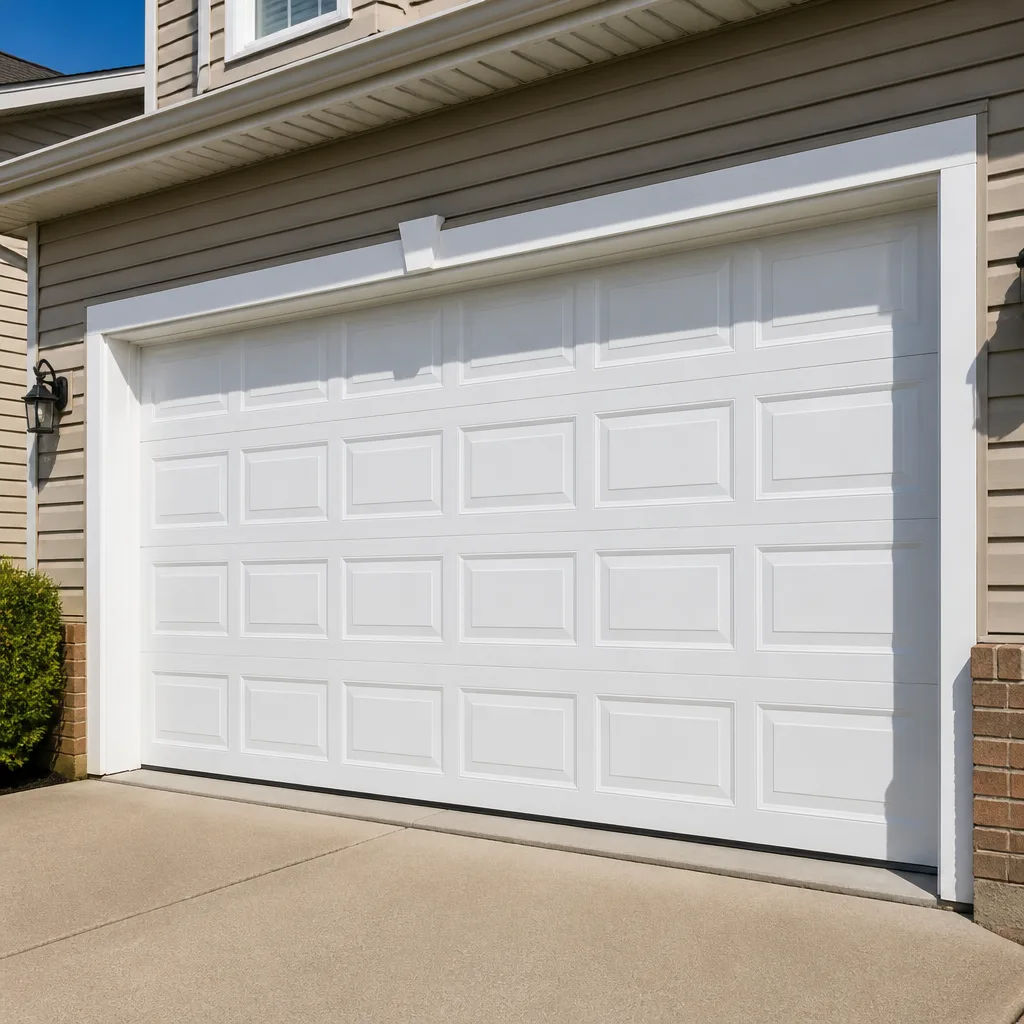 Raised-panel steel
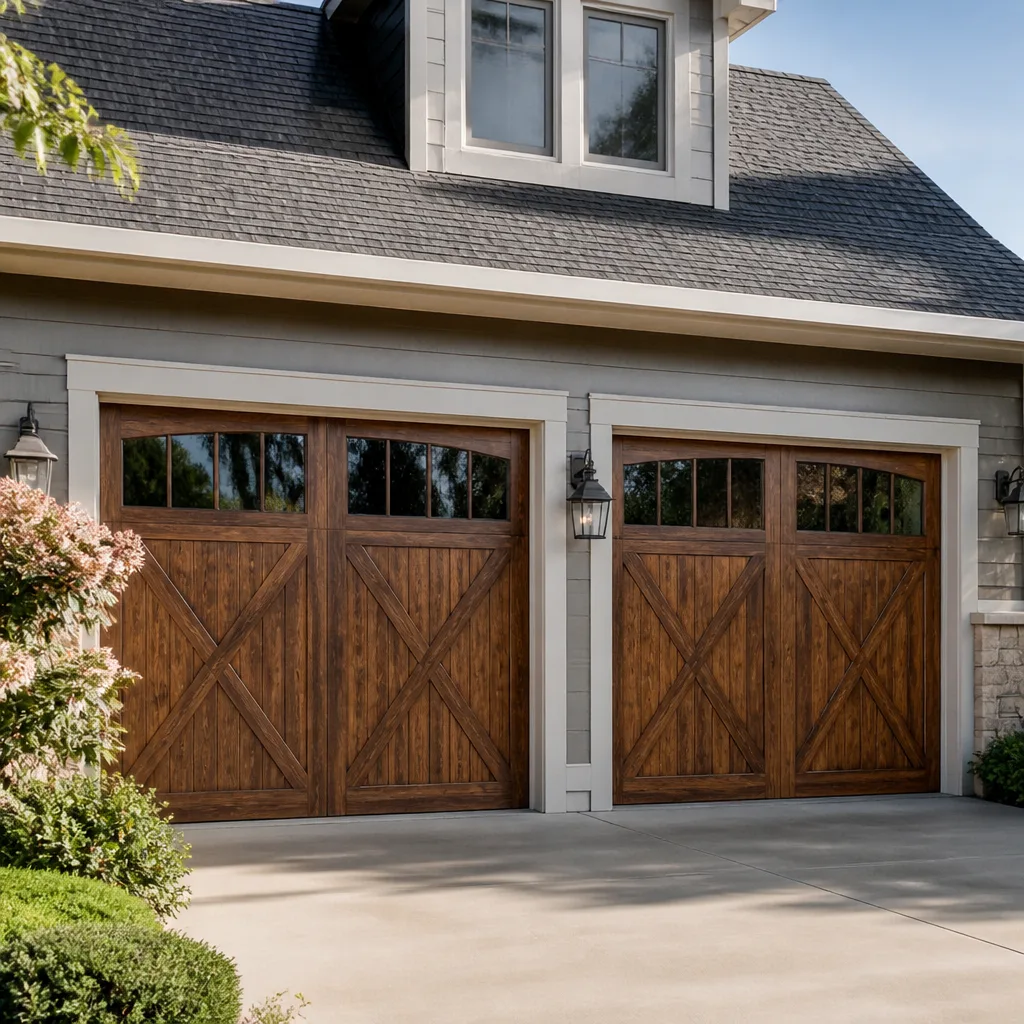 Carriage house
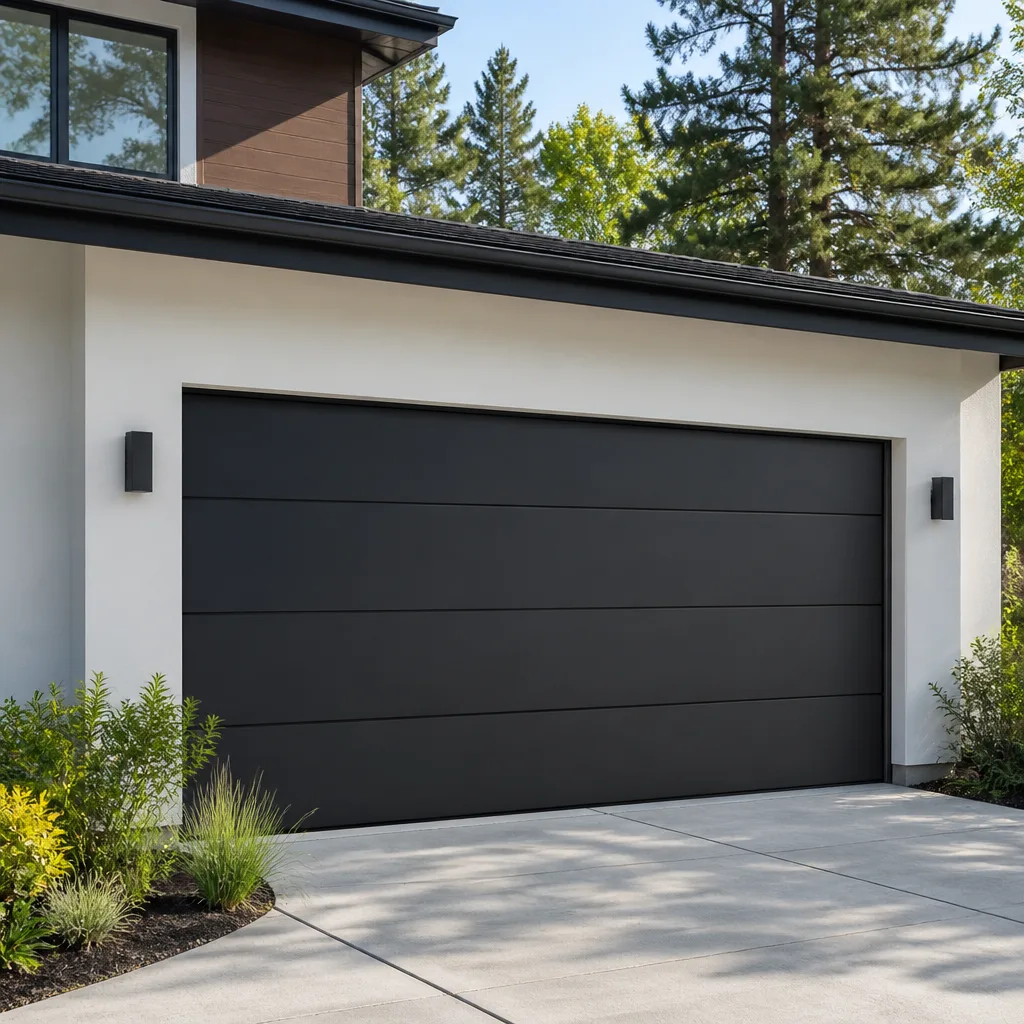 Modern flush
 LiftMaster openers
 Chamberlain openers
Full 25-point door and opener safety check with every visit - springs, cables, rollers, tracks, and your LiftMaster or Chamberlain opener included
You get a price before we start. It does not change when the pro arrives.
Get your free estimateGarage Door Permits, Codes & Inspections in Riverview, FL: What You Need to Know
Here’s the assumption that gets Riverview homeowners into trouble: a garage door replacement is just a swap, so it can’t need a permit. In Hillsborough County, that reasoning is backwards. A garage door replacement in Florida isn’t a cosmetic upgrade, it’s a wind-load compliance issue, and county inspectors are checking whether your new door meets the Florida Building Code’s wind pressure requirements for your zone. A permit is how that check gets recorded. Get it wrong and you don’t just face a fine. You can face an insurance claim denial after a storm and a disclosure headache when you sell. This guide walks through exactly when a permit applies, how the process works, what inspectors look for, and how to protect yourself at every step.
Quick Answer
In Hillsborough County, replacing a garage door requires a building permit because the door is part of your home’s wind-load envelope under the Florida Building Code. Simple repairs to an existing door (springs, rollers, hinges, opener swaps) generally don’t require a permit, but a full door replacement or any change to the opening almost always does. The permit must be pulled before work begins, and the installation needs a final inspection to pass. Skipping this step can void insurance coverage on the door and create problems at resale.
Styles & brands we work with
- Raised-panel steel
- Carriage house
- Modern flush
- Full-view glass
- LiftMaster openers
- Chamberlain openers
Table of Contents
- When does a garage door require a permit in Hillsborough County?
- Repair vs. replacement vs. opener-only: where the line sits
- Florida Building Code Section 1609 and wind-load ratings in Riverview
- Who pulls the permit: you or your contractor?
- What an inspector actually checks during a final inspection
- What happens when you skip a required permit
- Riverview-specific considerations: neighborhoods, weather, and housing stock
When does a garage door require a permit in Hillsborough County?
A garage door replacement in Hillsborough County requires a building permit. A repair to an existing door generally does not. That single distinction is the one most homeowners get wrong, and it’s worth understanding why it exists. The permit isn’t there to check your taste in doors. It’s there to verify the door, its hardware, and its anchoring meet the wind-load requirements tied to your address’s wind speed zone. Hillsborough County sits in a wind-borne debris region, and a garage door is one of the largest openings in a home’s wind barrier. When it fails, pressure gets inside the structure and the damage compounds.
The general rule for Riverview homeowners breaks down like this:
- Full door replacement – permit required. New door, new tracks, new anchoring, new wind-load rating.
- Changing the size of the opening – permit required. Structural work is involved.
- Replacing damaged panels – usually no permit if the door’s structural rating and hardware aren’t changing, but confirm with the county before you assume.
- Spring replacement or repair – no permit. Unsafe for DIY, but not a permitting matter.
- Opener replacement – no permit. The opener isn’t a wind-load component.
- Rollers, hinges, cables, sensors, weatherstripping – no permit.
The nuance worth mentioning: adding a garage door where one didn’t previously exist, or replacing a door on an enclosed carport conversion, may bring in structural requirements that don’t apply to a straight swap. That’s the sort of question the county building department answers directly, and it’s a good idea to call before you sign a quote. In our experience, most Riverview replacements fall cleanly under the “full door replacement” category, and the permit is straightforward as long as it’s pulled before work starts.
Repair vs. replacement vs. opener-only: where the line sits
Most of the permit confusion in Riverview comes from the word “replace.” Homeowners say they’re replacing their garage door when they mean a panel, a spring, or an opener. Each of those is a different category for permitting purposes. Here’s the breakdown in plain language.
Situations that typically don’t require a permit
- Replacing a torsion or extension spring on an existing door
- Replacing the opener, whether it’s a garage door opener repair or a full opener swap
- Swapping rollers, hinges, cables, or bearings
- Replacing a bottom seal or weatherstripping
- Adjusting or replacing safety sensors and photo-eye brackets
- Straightening a bent track section without altering the opening
Spring work falls squarely in the “no permit but definitely call a professional” category. A torsion spring is under significant tension, and an uncontrolled release is genuinely dangerous. This is the reason we treat garage door spring repair as a standalone specialty rather than a routine item on a general repair list.
Situations that typically require a permit
- Any full door replacement, including a like-for-like swap of the same size
- Changing the opening’s dimensions
- Adding a garage door to an existing structure
- Converting a carport to a garage with a new door
- Structural changes to the header, jamb, or framing
Opener-only swaps are the cleanest case. If you’re moving from an older unit to a modern smart opener from LiftMaster, Chamberlain, or Genie and the door itself is untouched, there’s no permitting issue. It’s still a job that benefits from a trained technician, because the opener’s force settings, safety reversal, and balance all need to be tuned to your specific door weight. But it doesn’t involve the county.
If you’re unsure which category your job falls into, the simplest path is to describe what’s actually broken. If the door itself is still the door you’re keeping, you’re likely in repair territory. If a new door or new opening is involved, you’re in permit territory. When your garage door won’t move and you’re not sure why, that’s a diagnostic call, not a permit question.
Florida Building Code Section 1609 and wind-load ratings in Riverview
Florida Building Code Section 1609 is the section that sets out how structures, and the components attached to them, must resist wind pressure. Your garage door falls under this in a specific way. When a new door is installed, it has to be rated for the design wind pressure at your specific location. That rating comes from the manufacturer and is documented on the door’s labeling. The permit process is how the county verifies the door you installed actually matches the rating your address requires.
For Riverview homeowners, this matters for three connected reasons:
- Pressure design speed. Hillsborough County’s design wind speeds are high enough that a non-rated door is a real liability. The door is a large, flat, lightweight surface, and when it’s breached, wind pressure inside the home multiplies.
- Labeled product. Not every door sold is rated for this region. A door you buy outside the local supply chain, or one that was intended for a milder market, may not carry the right labeling.
- Installation matters as much as the door. A properly rated door installed with the wrong anchors or the wrong hardware doesn’t perform to its rating. The permit and inspection tie the product rating to the installation.
This is where brand fluency helps. Manufacturers like Clopay and Amarr each publish wind-load data for their product lines, but the rating is specific to the door model, the size, and the installation method. Two doors from the same brand installed on the same street can carry different ratings if one is a larger double door and one is a single. That isn’t a technicality. It’s the actual basis for whether the door passes inspection.
The bottom line for a Riverview replacement: choose a door that carries a wind-load rating equal to or greater than what your address’s zone requires, and be sure the installation matches the manufacturer’s rated assembly. Any reputable installer will know this. If you’re getting quotes and the installer hasn’t mentioned wind-load ratings for a full door replacement, that’s a signal to ask more questions.
Who pulls the permit: you or your contractor?
Legally, a homeowner in Florida can pull their own permit for work on their primary residence. That’s true, and it’s how a lot of Riverview homeowners get into trouble. The permit application is easy. The liability isn’t. When you pull the permit yourself, you become the responsible party in the county’s eyes for the entire job, including the inspection outcome, the installation quality, and any code issues that come up during inspection. On a wind-load component, that’s a meaningful shift in risk.
There are two paths for a Riverview garage door replacement:
Option 1: You pull the permit as the homeowner
- You file the application and are named on it
- You’re responsible for scheduling the inspection
- You carry the liability if the installation fails inspection or if a problem appears later
- You may still need to produce documentation that you personally performed or supervised the work, which becomes messy if a contractor did the install
Option 2: Your contractor pulls the permit
- The contractor is named on the permit and carries the responsibility for the inspection
- Installation and inspection are handled as one process
- Liability for the wind-load compliance sits with the party who performed the work
- The permitting documentation follows the job cleanly at resale
In our experience, the second option is almost always the right call for a full door replacement. The complications from a homeowner-pulled permit usually show up months or years later, not on the day of installation. They show up when you’re selling the home, when your insurer asks for documentation after a storm, or when an inspector flags something about the anchoring that only the install crew could have addressed.
The one caveat: the contractor doing the work needs to actually be licensed to pull the permit. Ask before you sign. If a garage door installer says the permit isn’t needed for a full door replacement, that’s your cue to check with the county yourself.
What an inspector actually checks during a final inspection
Most homeowners assume the inspector is checking appearance. The inspection is about the installation meeting the code requirements the permit was issued under. It’s a short visit, but it’s focused. Here’s what happens during a typical garage door final inspection in Riverview.
- Verify the door matches the permitted product. The inspector checks the labeling on the door against the rating requirements for the address. This is where a door with the wrong wind-load rating gets flagged.
- Check the anchoring and hardware. The brackets, bolts, and track assembly need to be installed per the rated assembly. Undersized or missing fasteners can fail inspection.
- Confirm the opening dimensions. If the opening size was supposed to change, the inspector verifies the change is consistent with the permit.
- Test the door’s operation. The door should open and close smoothly and stay balanced at mid-travel. Operation matters because a binding door strains the hardware.
- Check the opener’s safety reversal. On any door with an opener, the inspector confirms the safety reversal works and that the opener is properly matched to the door weight.
- Confirm the photo-eye sensors. Both sensors installed, aligned, and functioning, at the correct height.
- Verify the labeling is visible. The door’s wind-load label should be accessible for future verification. Don’t let anyone paint over it.
How to pass on the first attempt is mostly about picking the right installer. The failure modes we see are predictable: wrong wind-load rating, undersized anchors, improperly installed safety sensors, or a door that’s mislabeled or missing its rating sticker entirely. All of those get caught before the install begins when the job is scoped correctly. A missed inspection means a call-back, a rescheduled inspection, and possibly a reinspection fee, all of which go away when the job is done right from the start.
What happens when you skip a required permit
Skipping a required permit for a garage door replacement is one of the few home improvement shortcuts in Florida with consequences that stack up over time. It’s not a fine you pay and forget. The most common outcomes are these:
- Insurance complications. If your door fails during a storm event and there’s no permit on file, your insurer can raise questions about whether the installation itself was compliant. Even when the door was a covered loss, the paperwork gap complicates the claim.
- Resale disclosure problems. When you list your home, an unpermitted door replacement becomes something you disclose or something the buyer’s inspector uncovers. Both paths lead to negotiation leverage against you.
- Forced re-inspection and remediation. If the county becomes aware of unpermitted work, the door may need to be brought into compliance, which can mean re-opening walls, re-doing the anchoring, or in some cases removing and reinstalling the door.
- Financing and appraisal snags. Lenders who see unpermitted work on a title report can require it to be resolved before closing.
- Difficulty proving wind-load compliance later. Without a permit, there’s no record that the door was reviewed against the code requirements at your address. That record is your evidence.
We hear the same reasoning from down the street: “The door is on the house and it works, so what’s the issue?” The issue is that the permit and inspection aren’t for the day of install. They’re for the day you need to prove the door meets code. Skipping the permit saves you a form and a fee and costs you that proof.
For repairs and routine maintenance, none of this applies. You don’t need a permit for garage door repair on an existing door, whether it’s a broken spring, a bent track, or a misbehaving opener. The permit conversation is specifically about replacement and structural change.
Riverview-specific considerations: neighborhoods, weather, and housing stock
Riverview isn’t a single uniform housing market, and the permit context changes depending on where you are. In newer subdivisions across the area, garage doors are a standard part of the build, and replacement usually means sourcing a matching door that carries the same wind-load rating as the original. In older parts of town and in unincorporated pockets, you may run into carport conversions, non-standard opening sizes, or doors that predate current code requirements. Each of those changes what the permit application looks like.
The local weather patterns matter too, though not in the way people often think. Riverview doesn’t see the extreme winter conditions that drive garage door problems in northern states. Springs don’t fail from cold-weather contraction here the way they do up north. What Riverview does see is heat and humidity year-round, and that has its own effect. Metal hardware corrodes, door panels can warp over time, and rubber seals break down faster than in drier climates. None of that is a permit issue, but it’s the sort of wear that leads to replacement, which is the permit issue.
The other consideration is wind events. When a storm comes through and a homeowner calls about damage, the question we need to answer is whether the door was permitted. If it was, the paperwork trail supports the insurance claim. If it wasn’t, that conversation gets much more complicated. Having a permit before the storm is the difference between a documented, insurable installation and one that’s an open question.
We work on the equipment that’s already in the garage regardless of where in Riverview that garage is. Whether your door is a Clopay, an Amarr, a Genie opener, or a Chamberlain smart system, we’re working within the same framework: what does the door need, what does the code require, and what’s the safest path to get from here to there.
Common Mistakes to Avoid
- Assuming replacement is permit-free. A garage door replacement in Hillsborough County is a permitted job, not a cosmetic change. The assumption that it isn’t is the single most common mistake we hear.
- Pulling the permit as a homeowner to save a fee. The fee is small compared to the liability you assume. If a licensed contractor does the install, let the contractor carry the permit.
- Buying a door without checking its wind-load rating. A door from a milder market may not carry a rating that meets your address’s requirements. Verify the rating before you buy.
- Painting over the wind-load label. The label on the door is how the rating gets verified later, including at inspection and at resale. Leave it visible and accessible.
- Skipping final inspection because the door “works fine.” The door working today doesn’t mean it will pass inspection or hold up in a storm event. Get the inspection done and closed out.
- Hiring a generalist handyman for spring work. Springs are dangerous and demand trained, safety-conscious hands. The savings from a generalist disappear the moment something goes wrong.
- Not being ready with permit documentation at resale. Keep the permit number, the inspection record, and the door’s wind-load documentation with your home’s other records from the start.
See the difference
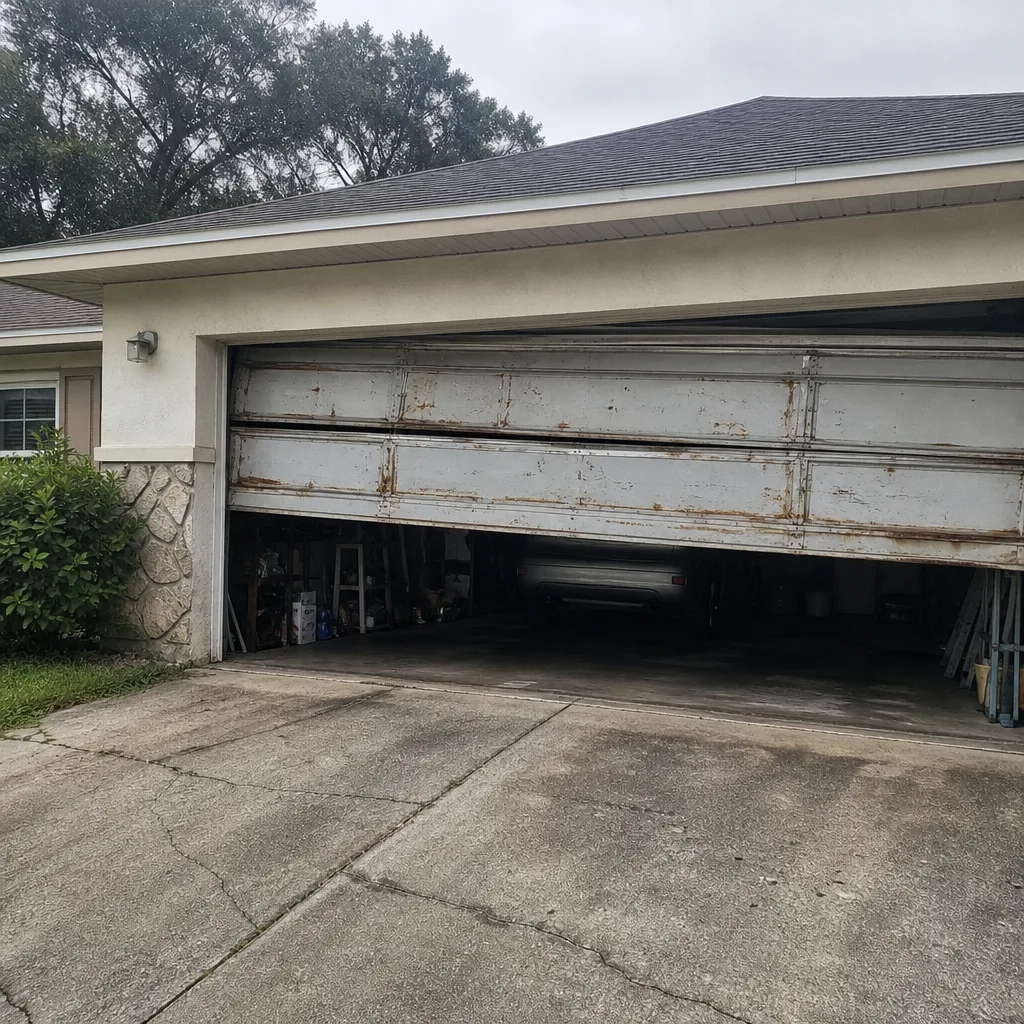 Before
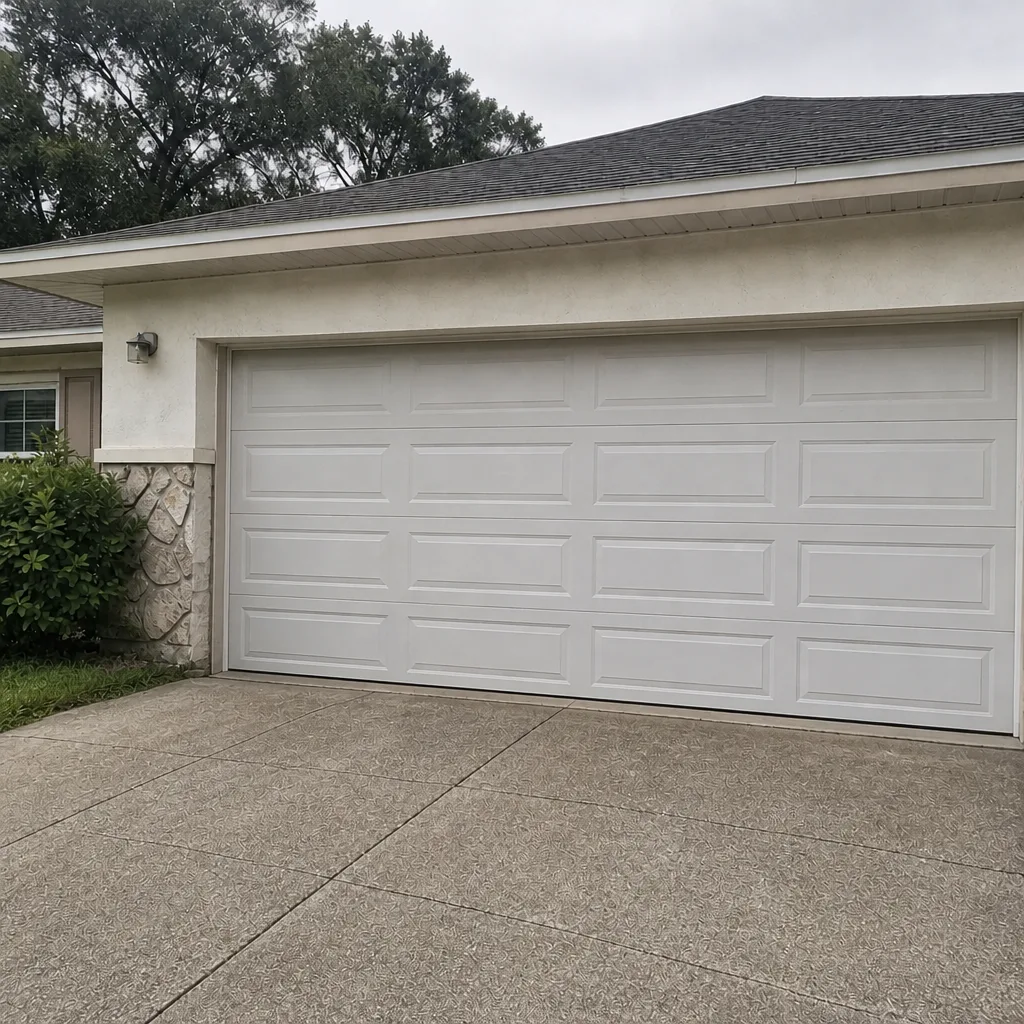 After
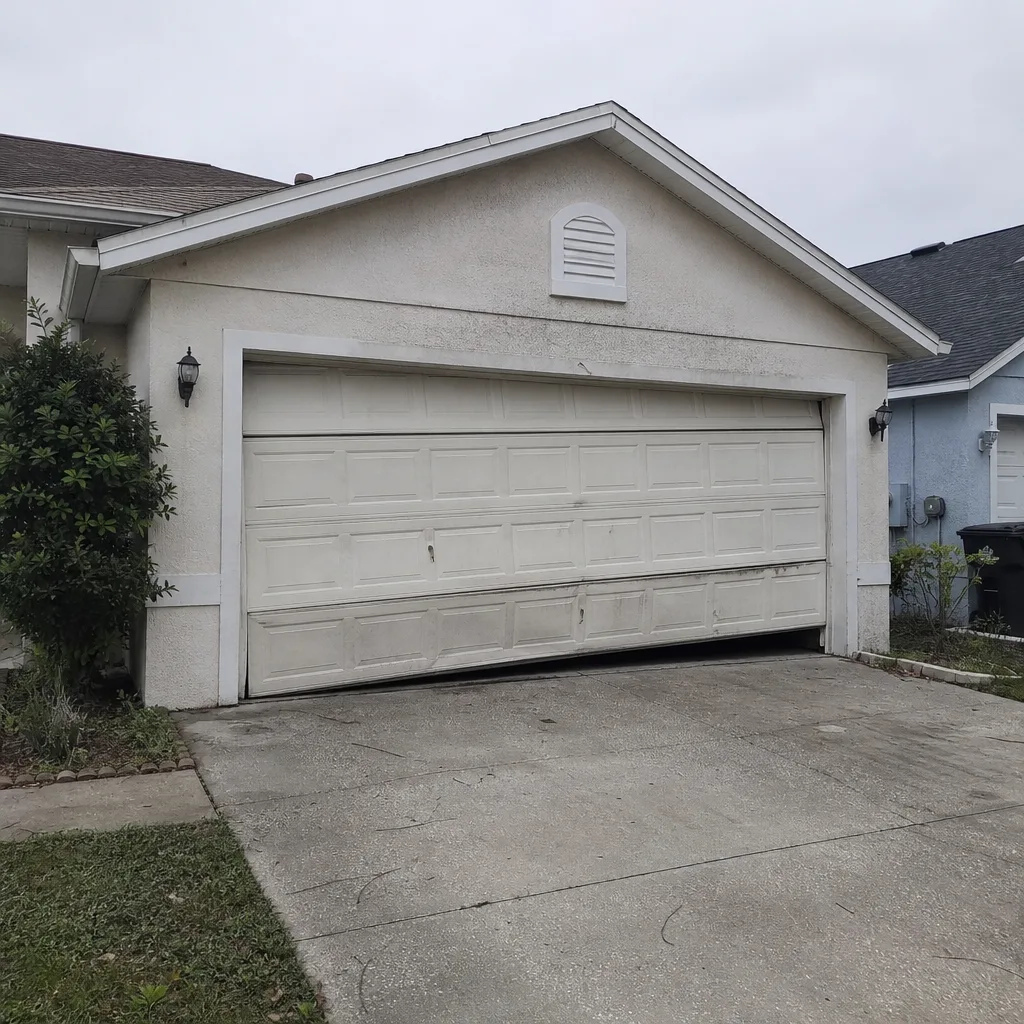 Before
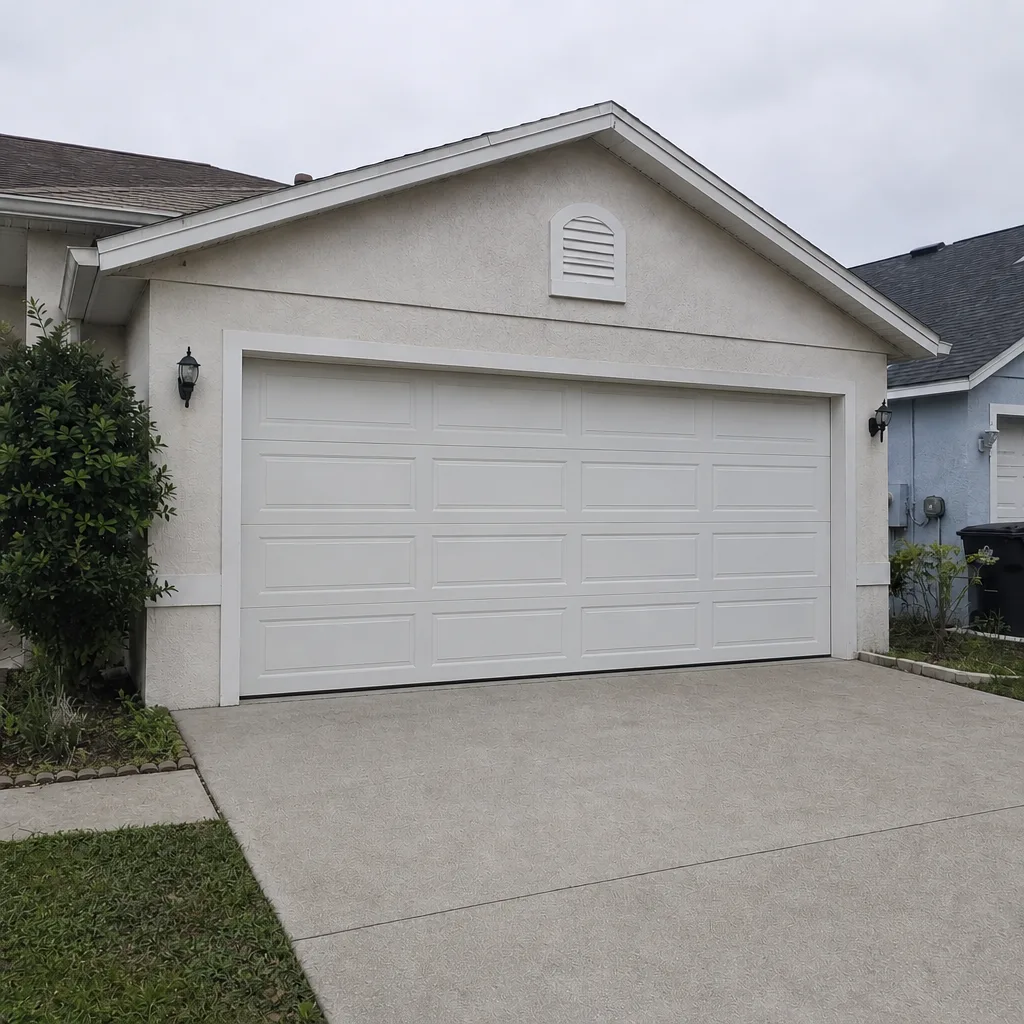 After
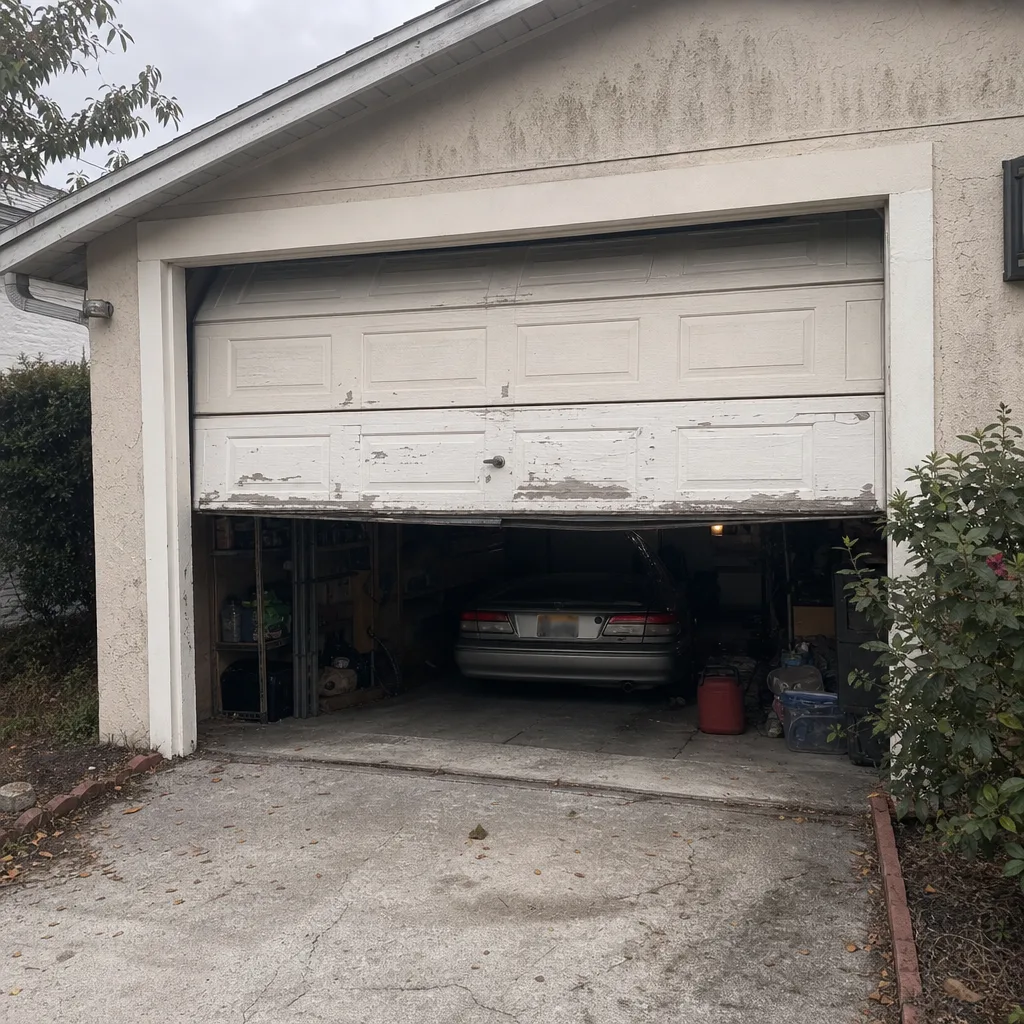 Before
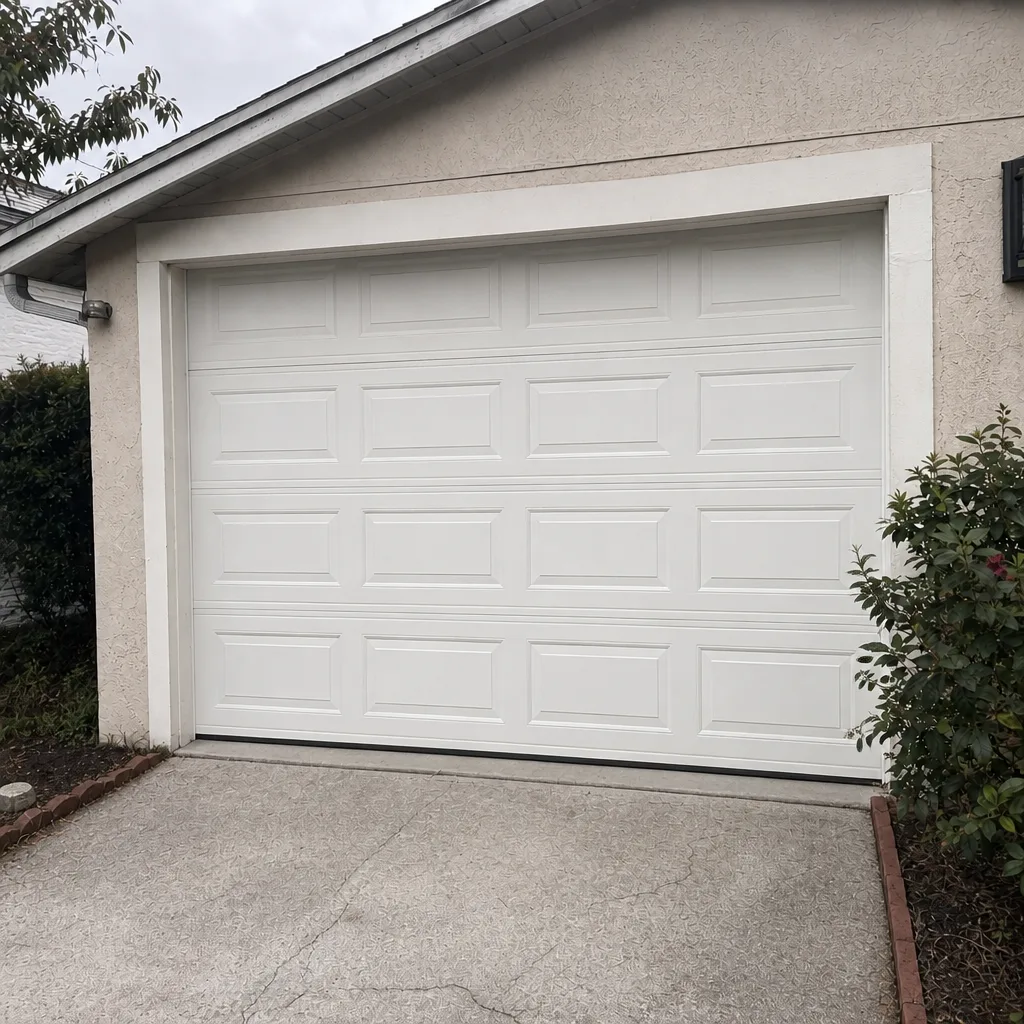 After
When to Call a Professional
Call a professional for any of these: a full door replacement, a spring that’s snapped or is making a loud bang, a door that’s come off its track, an opener that won’t reverse on obstruction, or a door that’s sagging at one corner. Also call if you’re unsure whether your job needs a permit, because getting scoped correctly from the start saves the back-and-forth later. Spring repair in particular is worth calling on immediately; a broken torsion spring is under tension that can seriously hurt anyone who doesn’t know how to release it safely. For door replacements, the process is a free measure and a written quote rather than same-day work, because the door needs to be sized, ordered, and scheduled. Riverview Garage Door Repair Pros offers free estimates in Riverview, so you know the price before any work begins. Call (866) 885-7049 for a free estimate.
Frequently Asked Questions
Yes, in most cases you do. A full garage door replacement in Hillsborough County requires a building permit because the door is a wind-load component under the Florida Building Code. Simple repairs to an existing door and opener swaps generally don’t require a permit. Call (866) 885-7049 for a free estimate and we’ll help you sort out which category your job falls into.
Legally yes, but it’s usually the wrong call for a full replacement. When you pull the permit yourself, you become the responsible party for the installation, the inspection outcome, and any code issues that come up. The cleaner path is to have the licensed contractor who does the install pull the permit and carry that responsibility. Call (866) 885-7049 for a free estimate.
The inspector verifies the door’s wind-load rating label, checks the anchoring and hardware, confirms the opening dimensions match the permit, tests the door’s balance and operation, and confirms the opener’s safety reversal and photo-eye sensors work. Getting it right on the first visit is mostly about choosing the right door and installer up front. Call (866) 885-7049 for a free estimate.
Skipping a required permit can create insurance complications after a storm event, resale disclosure problems, and forced re-inspection requirements. The permit and inspection record is your proof that the door was reviewed against code requirements at your address. Without it, that proof doesn’t exist. Call (866) 885-7049 for a free estimate and a clear scope.
No. An opener-only swap doesn’t require a permit because the opener isn’t a wind-load component. It’s still worth having a trained technician install it, since the opener’s force settings, balance, and safety reversal all need to be tuned to your door’s specific weight. Call (866) 885-7049 for a free estimate.
No. Spring replacement is a repair, not a replacement of the door, so no permit applies. It’s still a job that should only be done by a trained professional because torsion springs are under significant tension and an uncontrolled release is dangerous. Call (866) 885-7049 for a free estimate.
The Bottom Line
A garage door replacement in Riverview is a permit job, not a swap, and treating it as one is how you protect your insurance coverage and your resale position. Simple repairs, spring work, and opener swaps don’t require a permit, but any full door replacement or structural change to the opening does. Wind-load ratings under Section 1609 matter at your specific address, and the contractor doing the work should be the one carrying the permit. The inspection is the verification step, and it’s short if the job was scoped right. Whether you’re replacing a door, fixing a spring, or swapping an outdated opener, we work on your existing brand and handle the full scope without sending you to a second company. Call (866) 885-7049 for a free estimate in Riverview and we’ll walk through what your specific job requires.
Written by the team at Riverview Garage Door Repair Pros.