Last updated November 21, 2026
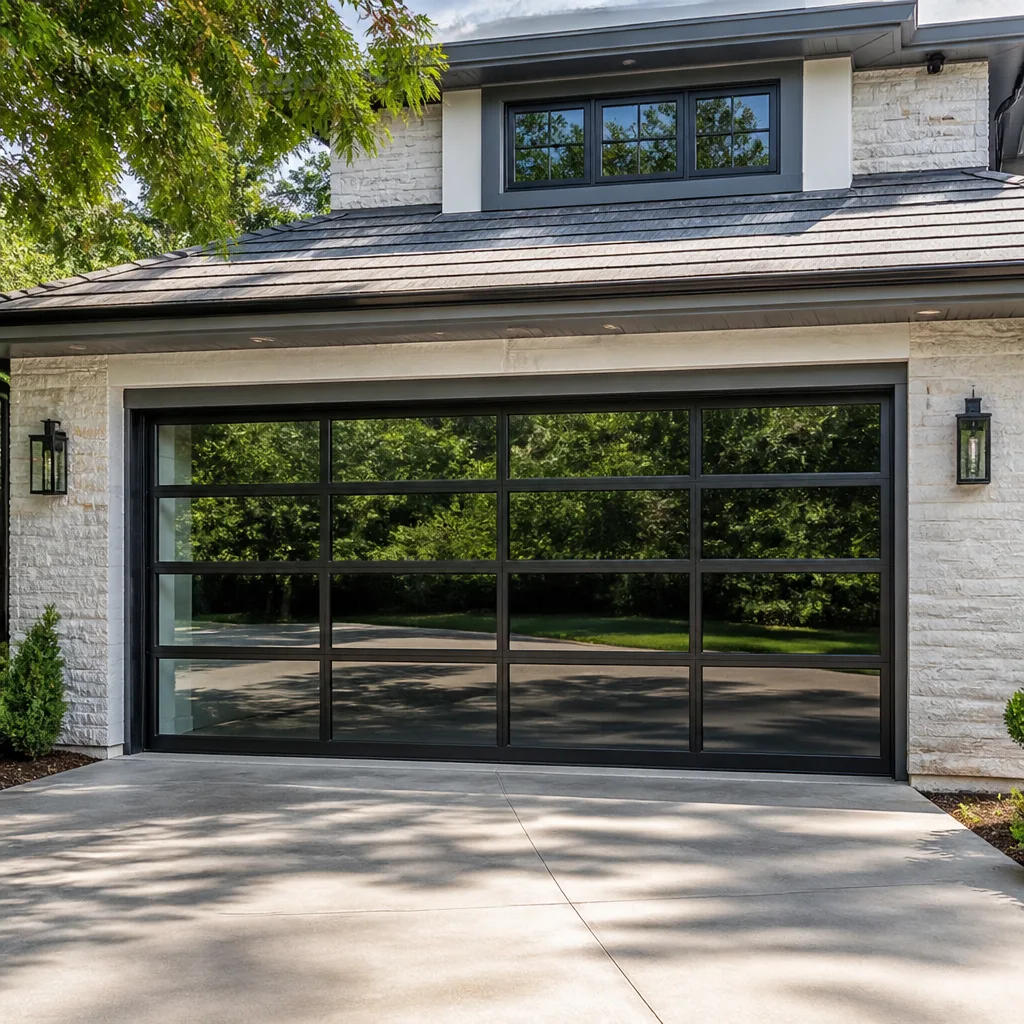 Full-view glass
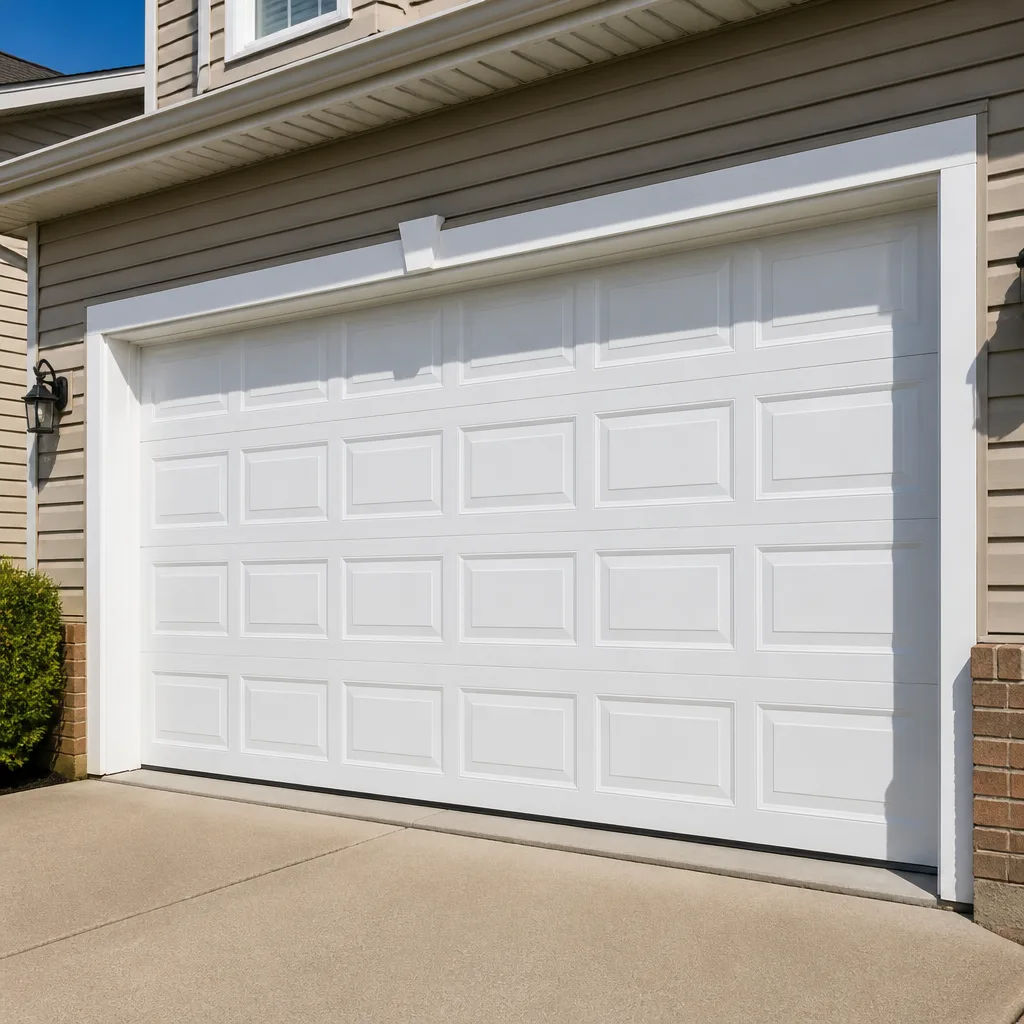 Raised-panel steel
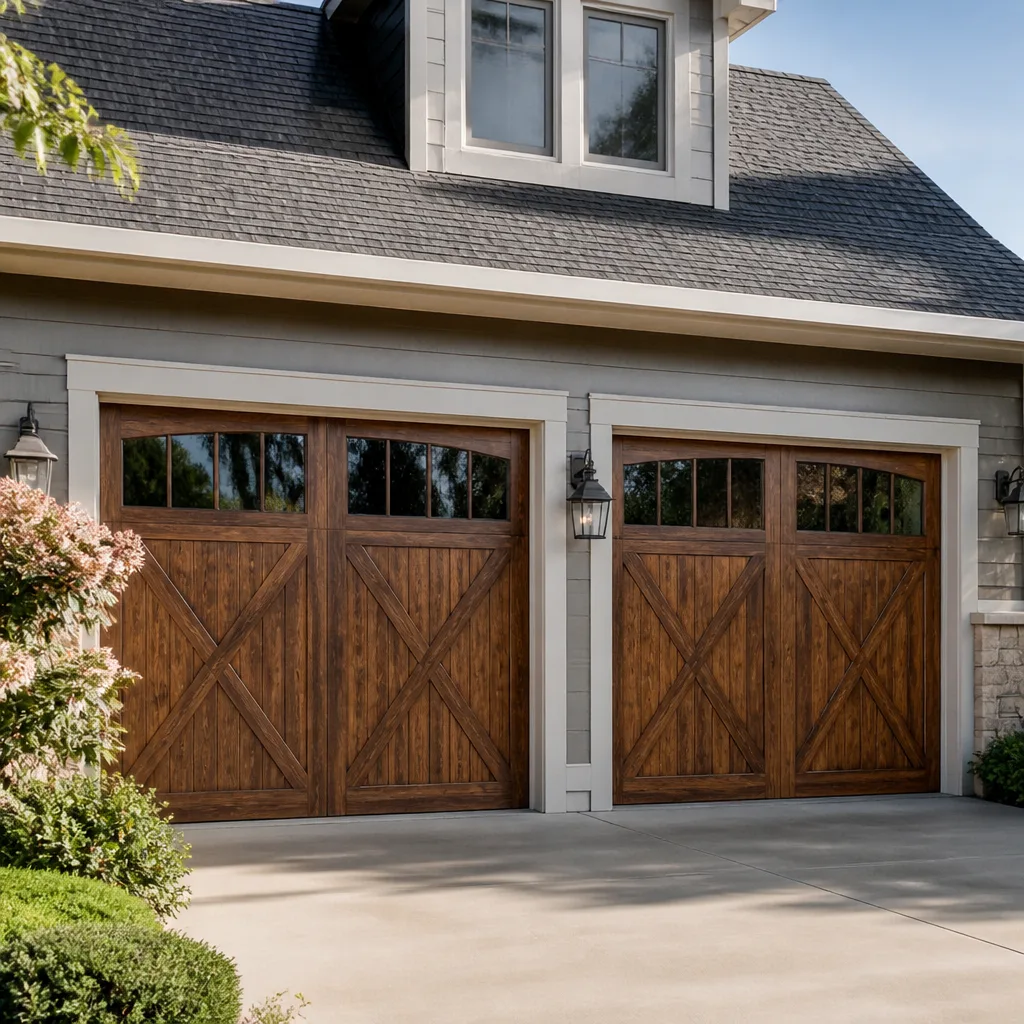 Carriage house
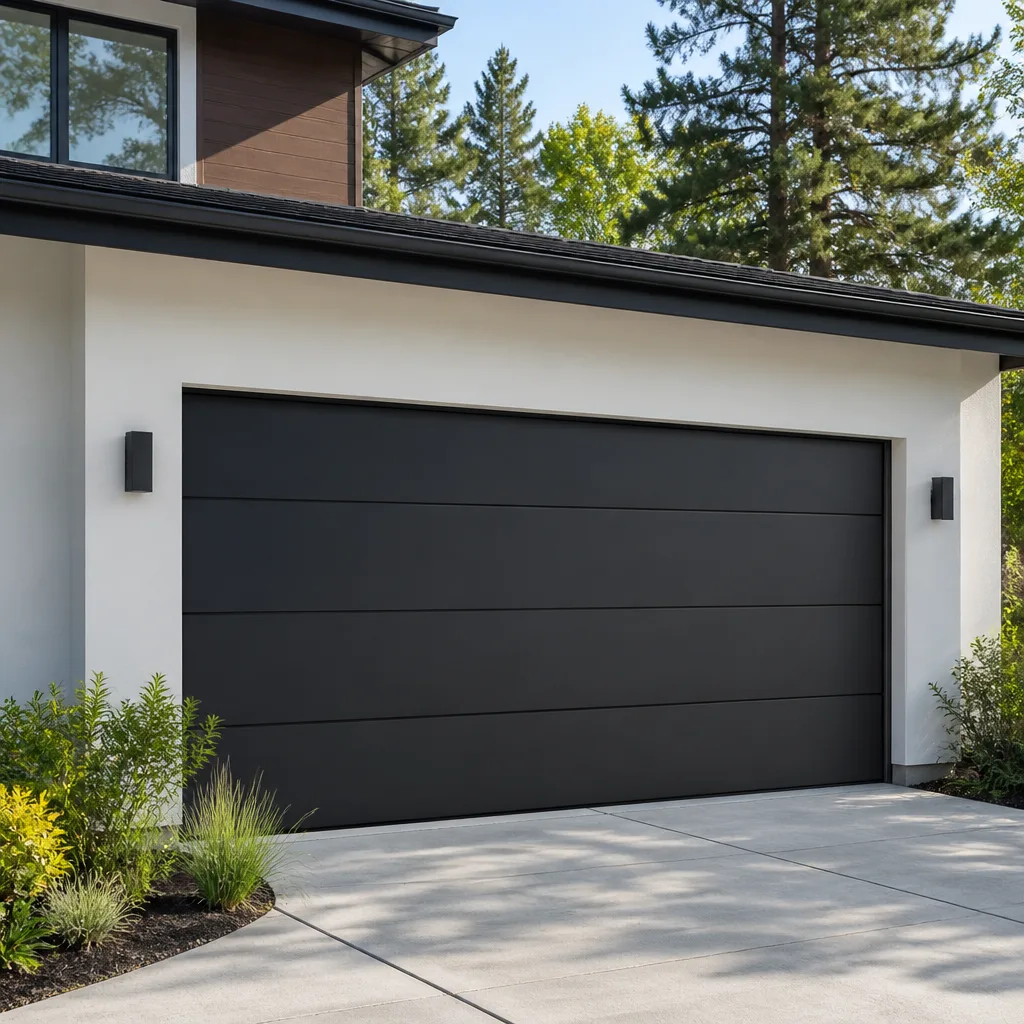 Modern flush
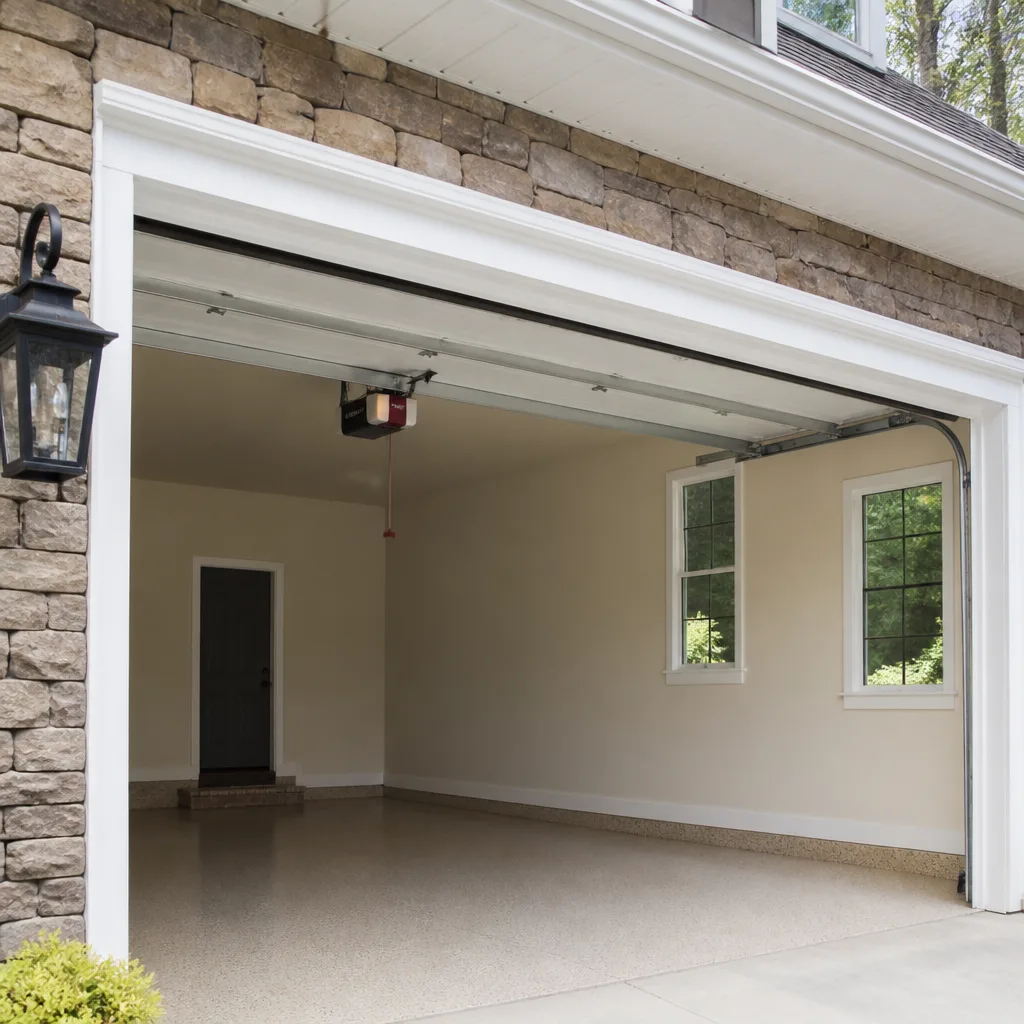 LiftMaster openers
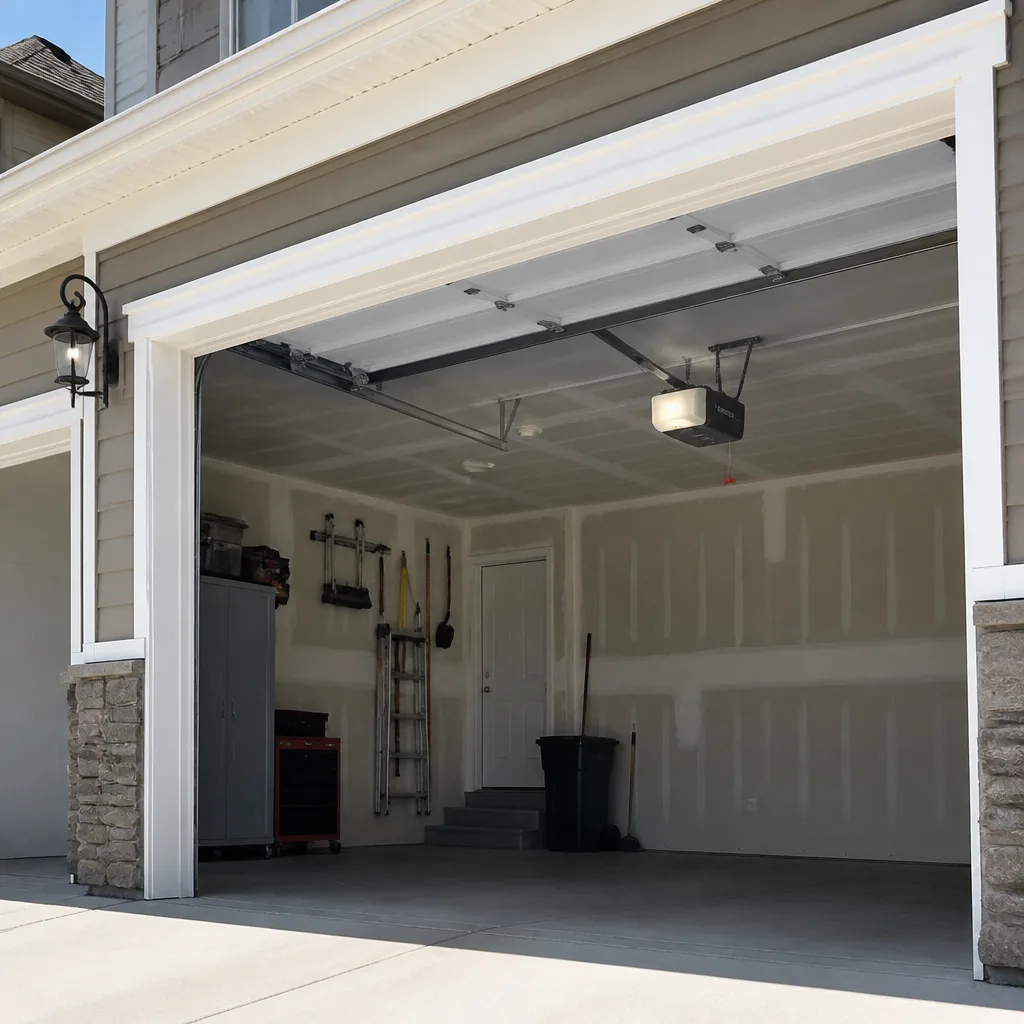 Chamberlain openers
Full 25-point door and opener safety check with every visit - springs, cables, rollers, tracks, and your LiftMaster or Chamberlain opener included
You get a price before we start. It does not change when the pro arrives.
Get your free estimateDIY vs Professional Garage Door: The Riverview Homeowner’s Decision Guide
A torsion spring the size of your forearm can hold enough stored energy to throw a grown adult across a garage. That’s not a warning label talking. It’s physics, and it’s the reason the garage door is the one system in your house where the usual “I’ll just watch a video” instinct deserves a second look. Most home repairs fail slowly. A garage door fails all at once. In this guide, we’ll separate the tasks a Riverview homeowner can genuinely handle from the ones that need a trained technician, show you what the labor charge actually pays for, and give you a maintenance routine that keeps you off the phone in the first place.
Quick Answer
You can safely handle lubrication, photo-eye alignment, remote and keypad reprogramming, and weatherstripping replacement yourself. Spring replacement, cable replacement, and any track work on a door under tension belong to a trained technician, because those components store enough energy to cause serious injury in a fraction of a second. Everything in between depends on whether the door is currently under load, and the cost of getting it wrong is almost always higher than the service call.
Styles & brands we work with
- Raised-panel steel
- Carriage house
- Modern flush
- Full-view glass
- LiftMaster openers
- Chamberlain openers
Table of Contents
- Why Garage Doors Break the Usual DIY Rules
- The Safe DIY List: What You Can Handle
- The Professional-Tier List: What You Shouldn’t Touch
- What the Labor Charge Actually Pays For
- The Florida Insurance Question Nobody Asks
- The True Cost Comparison: DIY vs Professional in Riverview
- The Middle Path: Maintenance That Prevents the Call
- When to Stop and Call a Professional
Why Garage Doors Break the Usual DIY Rules
Every other home repair follows a predictable pattern: you try it, you mess it up a little, you learn, you try again. A leaky faucet drips. A bad paint job looks bad. A miswired outlet trips a breaker. Garage doors don’t offer that margin. The system is built around counterbalance. Torsion springs and extension springs exist to make a door that weighs well over a hundred pounds feel like it weighs almost nothing, and they do that by storing energy constantly, even when the door is sitting still.
That stored energy is what makes the DIY calculus different. When a spring is wound, it’s under tension every second of every day. The moment you release a winding bar or cut a cable that’s carrying load, that energy has to go somewhere, and it goes wherever it’s pointed. There’s no gradual feedback loop, no warning drip, no “oops, let me redo that.” In our experience, the injuries that come through spring work aren’t from carelessness. They’re from people who were careful and still didn’t understand how much force they were standing next to.
Track alignment has the same character, just less loud. A door that’s out of square, a roller that’s jumped the track, a panel that’s been forced back into place with a pry bar – each one leaves the door running under stress. It might work for a week. Then a hinge shears or a panel buckles, and the repair has doubled.
This is also why a garage door is not a general handyman job. A Riverview homeowner who calls a general contractor for a broken spring usually gets referred out, because the trade has its own tools, its own knowledge of spring sizing, and its own safety practice. A specialist works on these systems every day. That’s the difference the DIY decision hinges on.
The Safe DIY List: What You Can Handle
Plenty of garage door upkeep is genuinely safe, and doing it yourself is a reasonable use of a Saturday morning. None of it involves high-tension components. All of it reduces how often you’ll need a service call. Here’s the list we’d hand any Riverview homeowner:
- Lubrication. Rollers, hinges, and the torsion bar bearings benefit from a garage-door-specific lubricant a couple of times a year. Avoid WD-40 on the tracks – it attracts grit. A silicone or lithium spray is the right tool, and it’s a fifteen-minute job.
- Photo-eye alignment. The two sensors at the base of the tracks should face each other and light up solid. If one is blinking, it’s misaligned or blocked by a cobweb, a leaf, or a trash can. Nudge it back into alignment and test with the door.
- Remote and keypad reprogramming. Changing a code, adding a second remote, or re-pairing after a battery change is straightforward on most LiftMaster, Chamberlain, and Craftsman units. The manual or the opener’s learn button handles it.
- Weatherstripping replacement. The rubber seal along the bottom of the door and the brush strips around the frame wear out in Florida heat. Both are consumer-level replacements with no tension involved.
- Visual inspection. Look at the springs, cables, hinges, and rollers monthly. Note anything frayed, kinked, or visibly worn, and don’t touch it – just make the call.
- Track cleaning. Wipe the tracks down with a damp cloth. Don’t lubricate them. The door’s rollers need to roll, not slide.
That’s a real list, and it adds up to meaningful prevention. It also illustrates where the line falls. Everything on it is either low-force, external to the counterbalance system, or purely electronic. The moment you cross into the mechanism that holds the door’s weight, the DIY answer changes.
The Professional-Tier List: What You Shouldn’t Touch
These are the jobs where the tool and knowledge requirements are steep enough that we won’t describe how to do them – we’ll describe what they involve, so you understand why the labor charge is what it is. If any of these come up on your door in Riverview, stop and call.
- Spring replacement. Winding or unwinding a torsion spring requires two proper winding bars, a working knowledge of spring sizing, and a spotter. Extension springs require safety cables and a controlled release. Getting either wrong releases stored energy in a fraction of a second.
- Cable replacement. Cables carry the door’s weight alongside the springs. A snapped or frayed cable is a safety failure, and a cable under tension can cut as easily as it can bind. This is not a hardware store pick-up job.
- Track realignment under tension. A track that’s out of square can sometimes be tapped back into place. But if the door is under load when it happens, that’s a two-person job with the door supported and the tension managed. Doing it solo risks a door coming down.
- Panel replacement on a loaded door. Replacing a damaged section means the door’s balance changes. Springs sized for the old panel may not hold the new one, which means the door needs rebalancing, which means spring work.
- Opener replacement on a heavy door. A new opener on an out-of-balance door burns out fast. Opener work and door balance are one job, not two.
We get asked why we won’t walk a homeowner through a spring swap over the phone. It’s not gatekeeping – it’s the injury rate. Our technicians have up to 14 years of experience, and every one of them has seen what a released torsion spring does to a garage, a car, and sometimes a person. Springs are the one part of a garage door we handle as a standalone specialty, and there’s a reason for that. When you need garage door spring repair, that expertise is the whole point of the call.
What the Labor Charge Actually Pays For
Homeowners compare the cost of a spring to the cost of a service call and wonder where the difference goes. Some of it is parts. A lot of it is the cost of the right equipment, the time to get it, and the skill to use it safely. Here’s the honest accounting.
Tools and equipment
- Winding bars. Two of them, sized to the spring. Not a screwdriver. Not a pry bar. Proper tools, and a spares set in case one bends.
- Spring sizing knowledge. Springs are matched to the door’s weight and cycle life. A door with the wrong spring runs out of balance, which shortens opener life and stresses every other component.
- Safety glasses and gloves. Standard on any spring job, and not enough on their own.
- Door support. A door that’s clamped and supported on both sides before any tension is released, which requires clamps and the know-how to use them.
Time and the undo problem
The comparison gets lopsided when a DIY attempt goes wrong. If a homeowner gets halfway through a spring replacement and gives up, the technician is now finishing a job that’s already been started, which usually takes longer than a clean replacement. If a homeowner damages a panel or a track during the attempt, the repair bill includes fixing what the door needs plus undoing what was done. In practice, we’ve seen partial DIY attempts end up costing more than a straightforward professional job would have from the start. That’s not an argument against ever touching your door. It’s an argument for knowing exactly where the line sits.
There’s also the opener layer. Modern openers from LiftMaster, Chamberlain, and Craftsman have safety features, force limits, and travel settings that need to be calibrated to the door. A homeowner who swaps an opener and skips the calibration ends up with a door that reverses on the way down or doesn’t reverse at all. Both are safety failures, and both belong on the professional side of the line.
The Florida Insurance Question Nobody Asks
Here’s a consideration that rarely comes up in DIY discussions, and it matters in Florida specifically. If a homeowner is injured doing garage door work and files a claim, how that claim is handled depends on how it’s filed and how the insurer reads it. A homeowner performing work on their own property can face questions about whether the work was within reasonable scope, and an insurer may scrutinize a claim that stems from an activity they consider outside normal home maintenance. That’s not a guarantee of denial. It’s a real uncertainty that a phone call to your insurer would clear up before you pick up a wrench, and most homeowners never think to make it.
The same logic applies to damage. If a botched spring release damages the door, the car, or the garage structure, an insurer may consider whether the damage resulted from improper handling of a high-risk component. In some cases, that changes how the claim is evaluated. We’re not in the insurance business, and we won’t pretend to give you a coverage ruling. But we will tell you this is a real factor in Riverview, where a large share of homes have an attached garage that’s part of the main structure. Ask the question before you need the answer.
There’s a second Florida-specific layer: heat. Garage doors in Riverview live in a garage that gets hot most of the year. Steel panels expand and contract, lubrication breaks down faster, and weatherstripping hardens. Spring steel fatigues more quickly in a hot garage than in a cool one. All of which means preventative maintenance pays off faster here than it would in a colder climate, and the case for letting a specialist handle spring work gets stronger, not weaker, as the door ages.
The True Cost Comparison: DIY vs Professional in Riverview
The DIY case is strongest when you compare parts cost to service cost. That comparison is incomplete. Here’s the fuller picture, with typical estimated ranges for common jobs.
| Task | Typical DIY Path | Typical Professional Cost (Estimate) |
|---|---|---|
| Annual lubrication and inspection | Under $20 in lubricant, 30 minutes | Usually bundled with a service call; not worth a standalone visit |
| Photo-eye alignment | Free, five minutes | Minutes on any repair call; no separate charge |
| Remote or keypad reprogramming | Free, manual-guided | Minutes on any opener visit; no separate charge |
| Weatherstripping replacement | $30-$80 in materials, an hour or two | Parts and labor quoted per job |
| Single torsion spring replacement | Tools and parts cost, plus real injury risk, plus undo risk | Estimated per-job range quoted in writing |
| Matched spring pair replacement | Same risks, doubled | Roughly twice the single-spring range |
| Opener replacement (LiftMaster, Chamberlain, Genie, Craftsman) | Unit cost, plus calibration risk | Unit plus labor, quoted in writing |
A few things to read out of that table. Spring ranges are quoted per spring, and a matched pair is usually replaced together, so a pair costs about twice a single. The written estimate sets the final price – the ranges here are typical estimates, not fixed quotes, and the number on the estimate is the number you’ll be billed, agreed before any work starts.
The DIY column also leaves out the cost of a wrong guess. A homeowner who buys the wrong spring, damages a track getting the door back into place, and then calls a professional pays for the parts twice and the labor once. In practice, that’s the outcome we see most often when a DIY spring attempt gets abandoned partway. The clean professional job is usually the cheaper path once the undo cost is counted.
The Middle Path: Maintenance That Prevents the Call
The best way to think about this isn’t DIY vs professional. It’s DIY maintenance vs professional repair, and the first one dramatically reduces the second. A door that’s lubricated, inspected, and balanced doesn’t break as often. Here’s the routine we’d suggest for any Riverview homeowner:
- Monthly visual check. Springs (look for gaps, kinks, or rust), cables (look for fraying), rollers (look for flat spots), and hinges (look for cracks). Note anything off. Don’t touch it.
- Twice-yearly lubrication. Silicone or lithium spray on rollers, hinges, and bearings. Skip the tracks. Two fifteen-minute sessions a year.
- Seasonal weatherstripping check. Run a hand along the bottom seal and the frame. If it’s cracked or brittle, replace it. This is the one part of the door Florida heat attacks directly.
- Photo-eye test. Once a month, wave an object in front of the sensors while the door is closing. It should reverse immediately. If it doesn’t, that’s a safety issue to address before you use the door again.
- Balance test. Pull the manual release, lift the door halfway by hand, and let go. It should hold roughly where you left it. If it drops or rises on its own, the springs need attention.
- Annual professional inspection. Once a year, have a specialist look at the tension components. This is how you catch a spring before it fails.
That’s the whole routine, and none of it requires touching a high-tension component. When the balance test fails or a spring starts to show wear, you’ve found the moment to call. That’s also when a garage door repair visit is worth scheduling on your terms rather than on an emergency timeline. If the door won’t move at all, that’s a different conversation – one that starts with a call, not a walk-through.
When to Call a Professional
If any of these apply, stop and call:
- The door won’t move, or moves unevenly.
- A spring is visibly broken, kinked, or missing tension.
- A cable is frayed, snapped, or hanging.
- The door reverses on the way down without an obstruction.
- A panel is bent, a track is out of square, or a roller has left the track.
- The opener runs but doesn’t move the door, or moves it with a grinding noise.
Riverview Garage Door Repair Pros offers free estimates in Riverview – call (866) 885-7049. We work on the brands you already own, including LiftMaster, Chamberlain, Genie, Craftsman, Clopay, Amarr, Wayne Dalton, and Raynor, so there’s no need to replace equipment that can be repaired. Emergency service is available for the moments when the door won’t move and the garage is your only way in.
See the difference
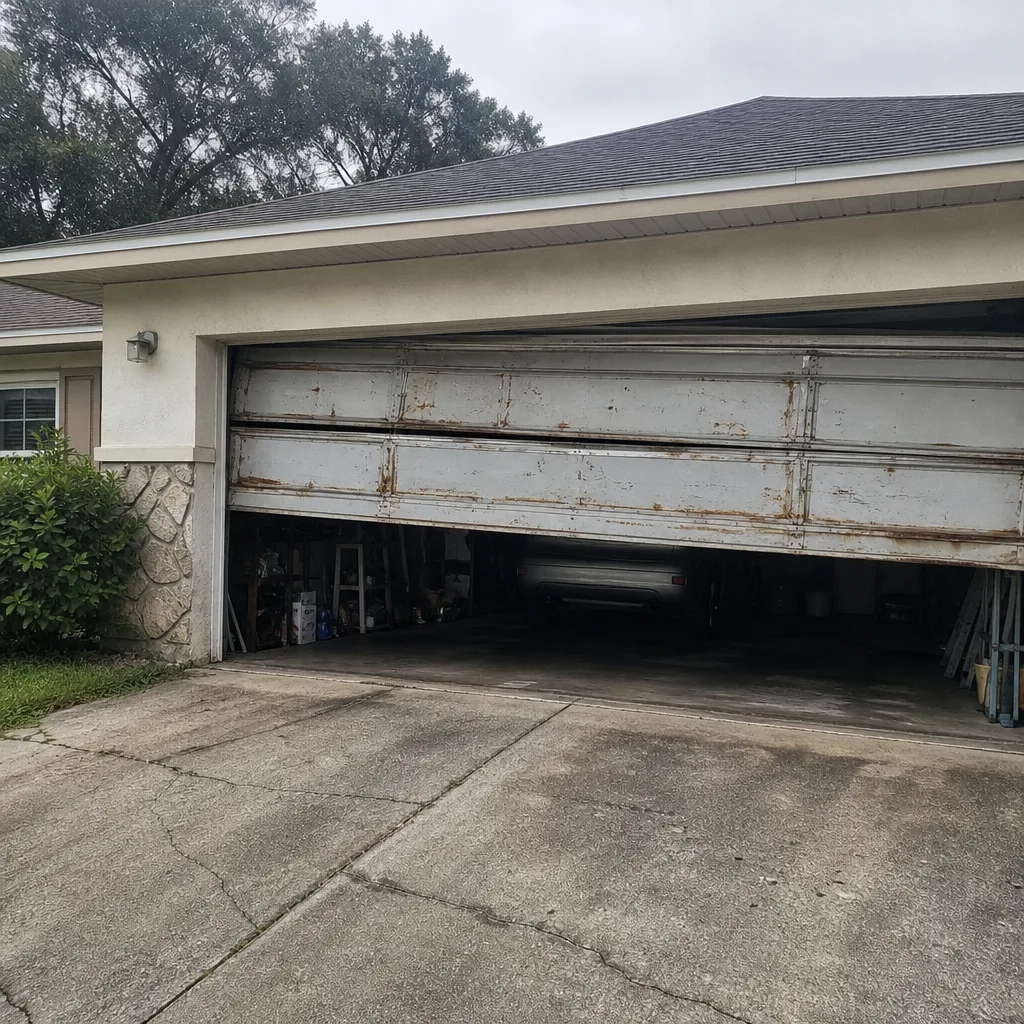 Before
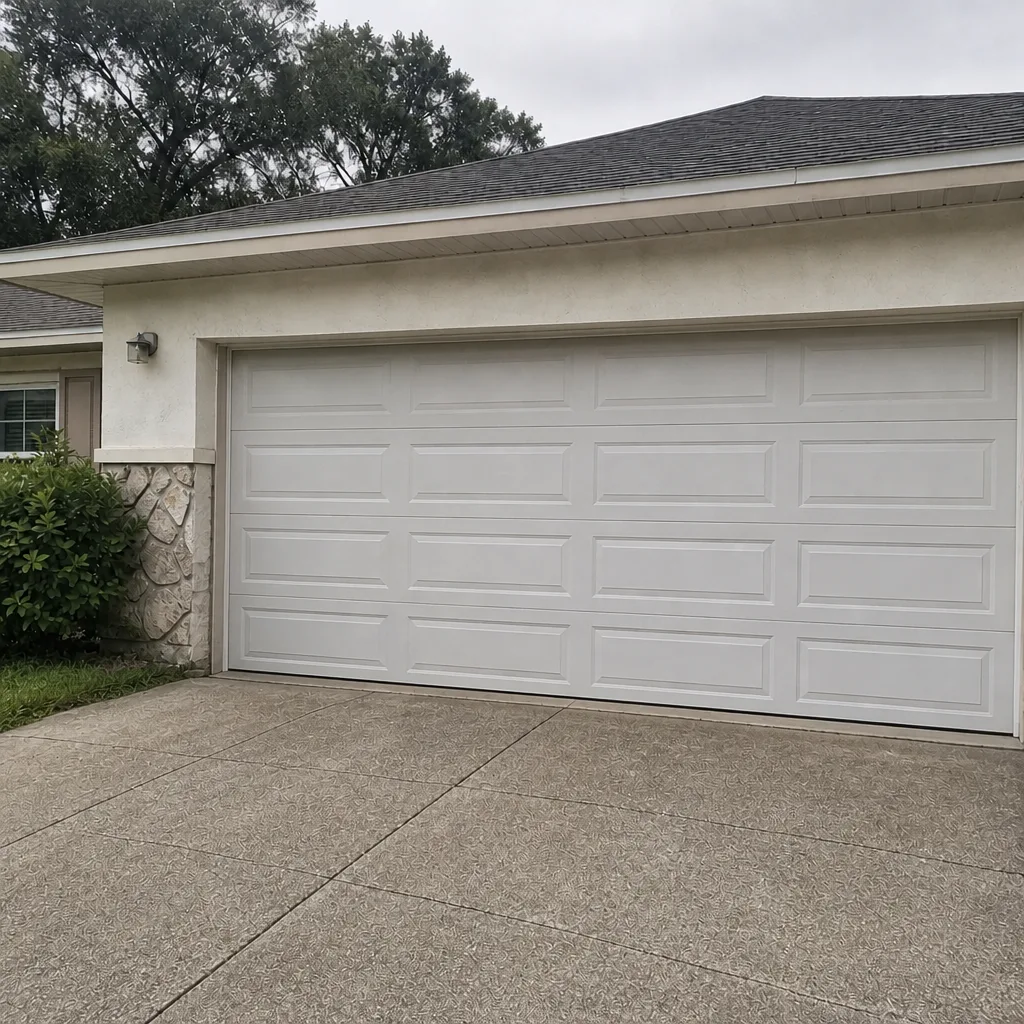 After
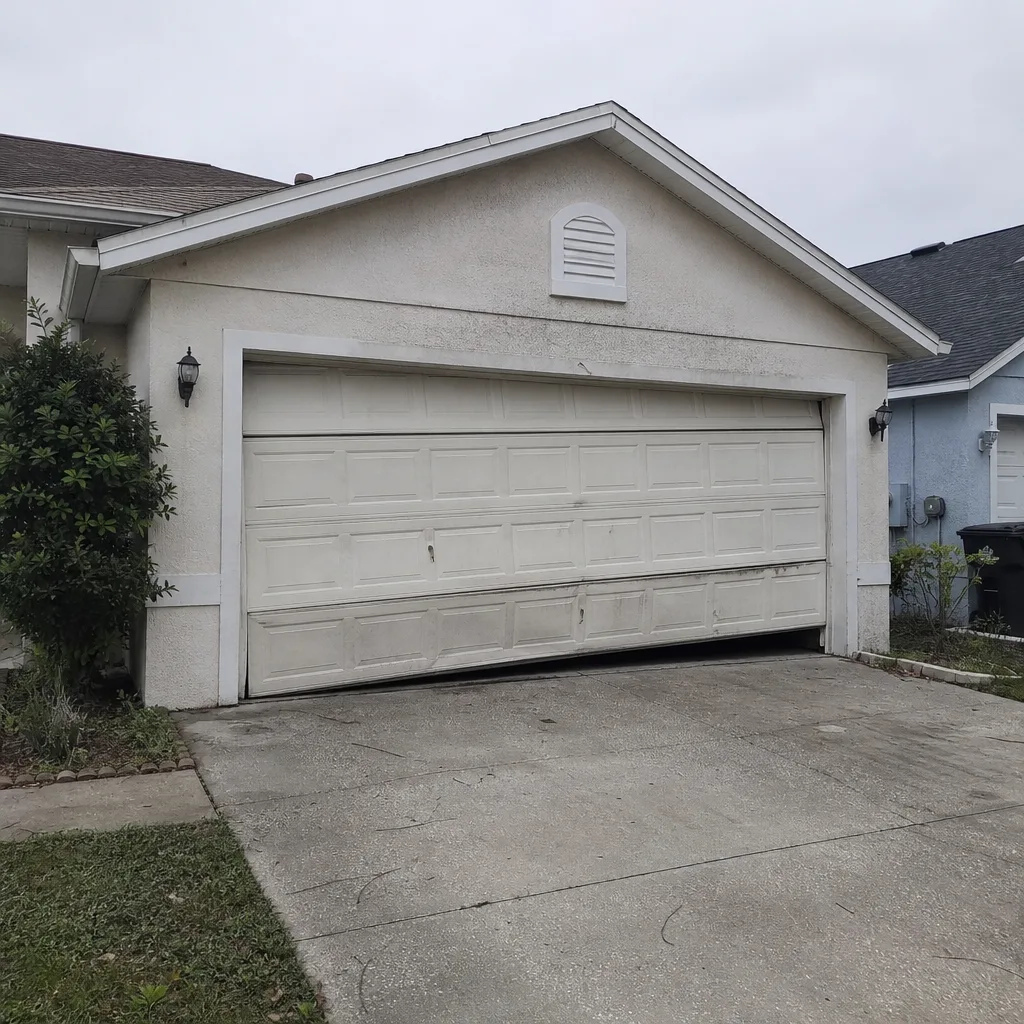 Before
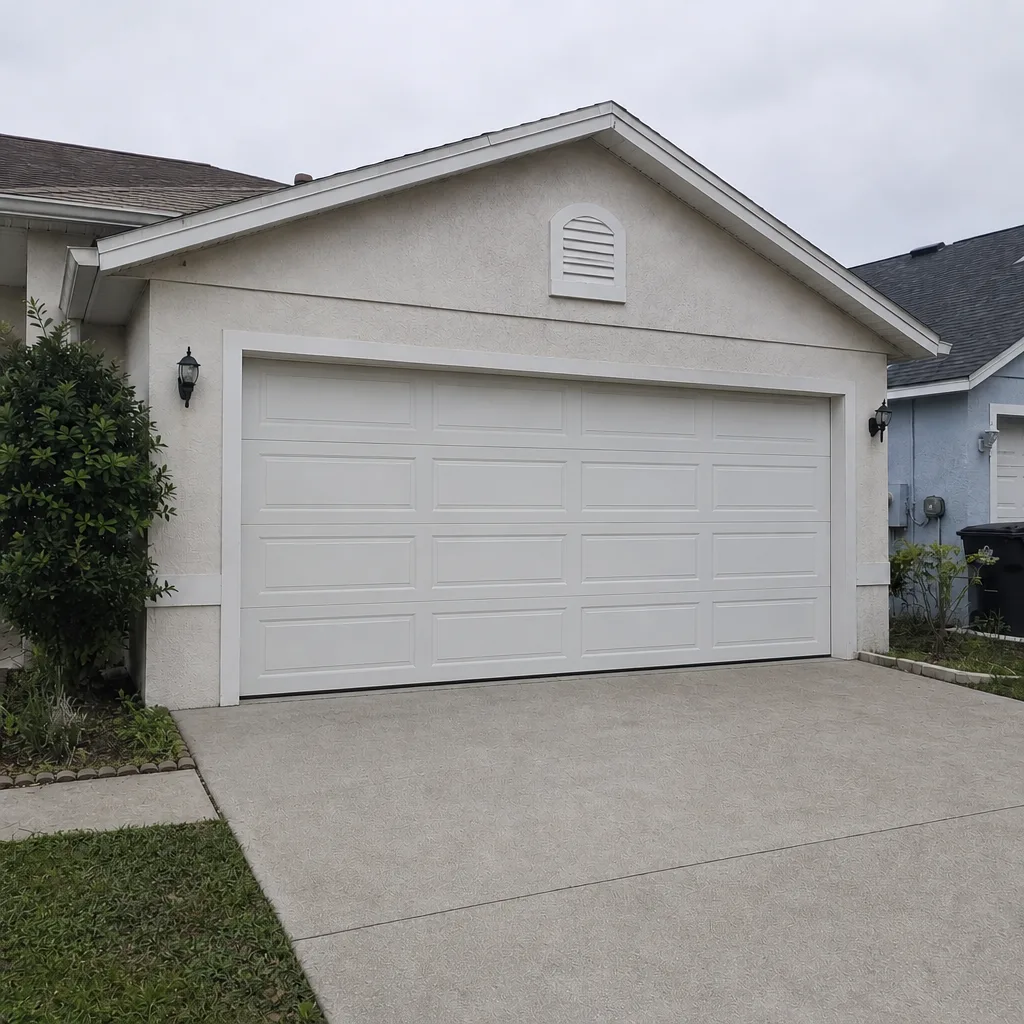 After
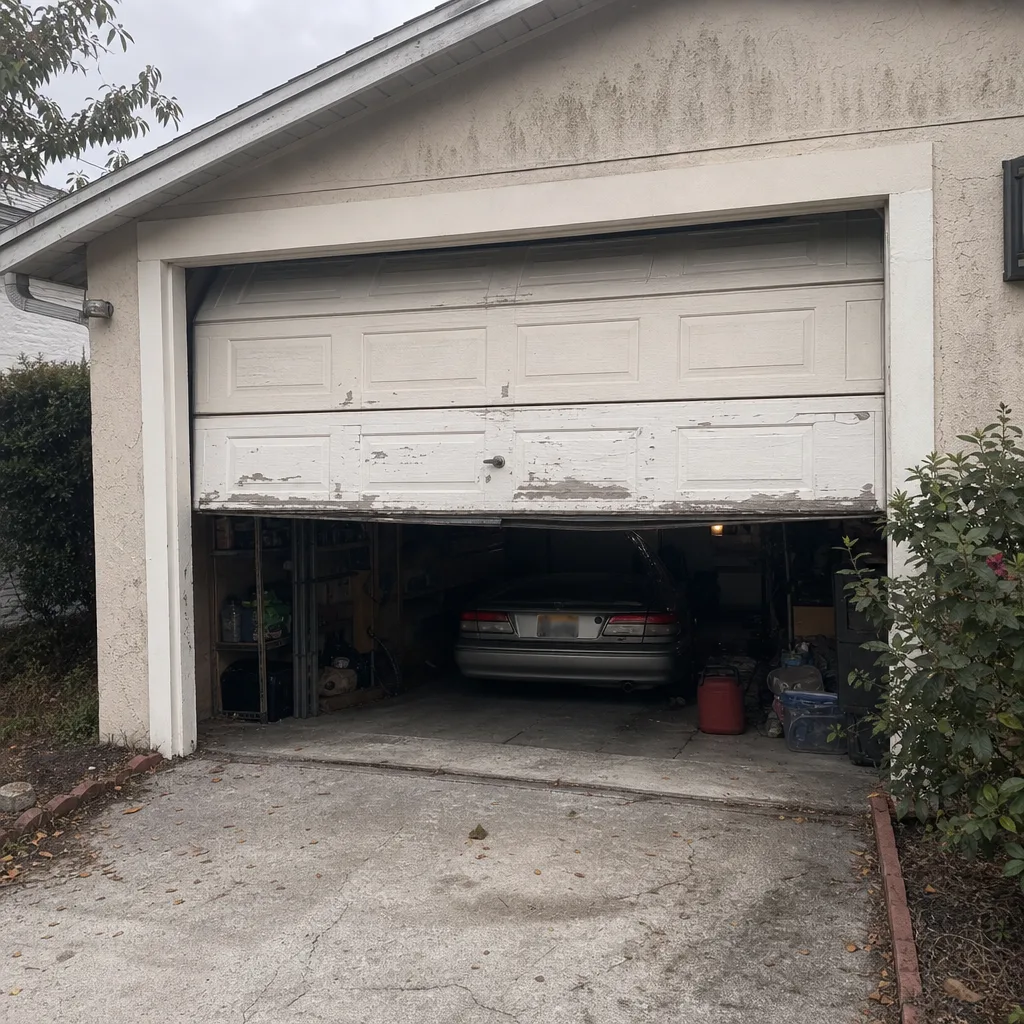 Before
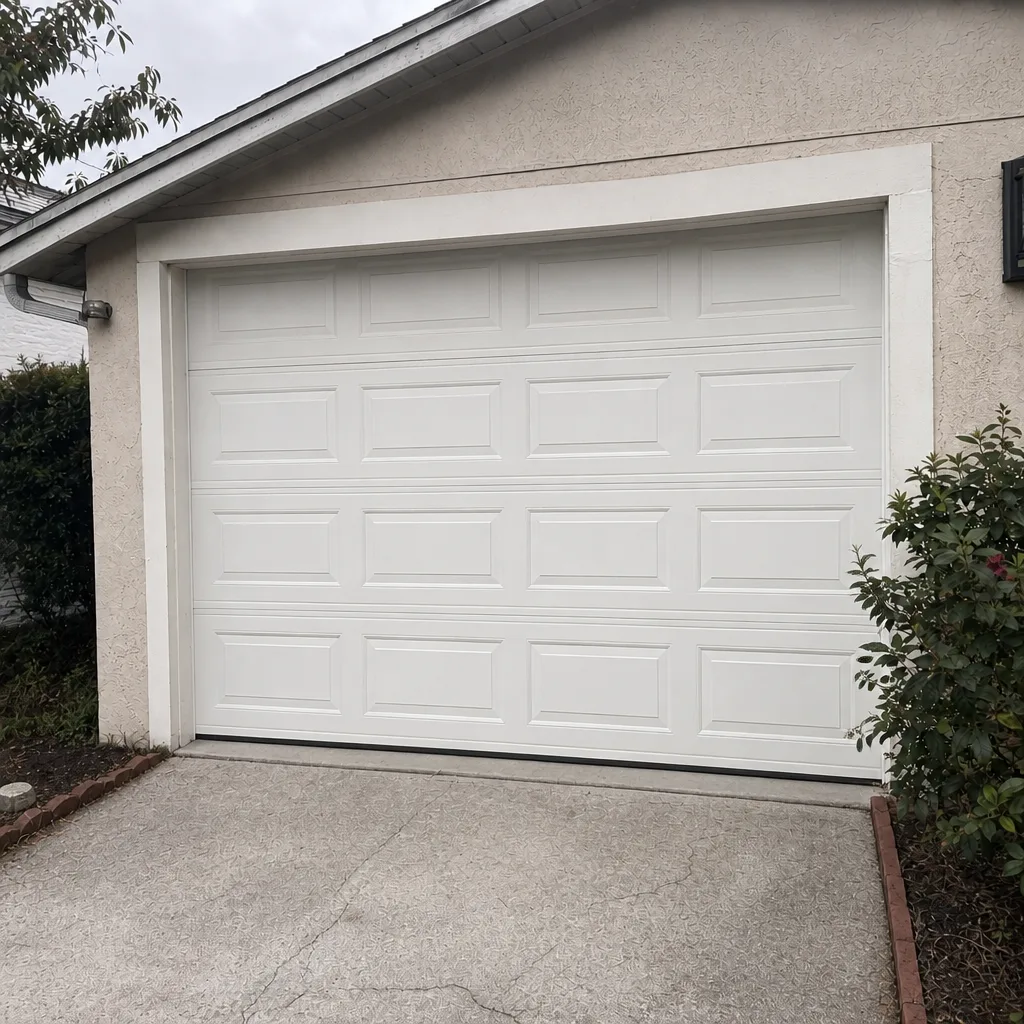 After
Frequently Asked Questions
We strongly advise against it. A torsion spring stores enough mechanical energy to cause serious injury in a fraction of a second, and the tools and sizing knowledge required aren’t consumer-level. Replace cables, springs, and any tension-loaded component with a trained technician – the risk isn’t worth the savings, and an abandoned DIY attempt usually costs more than a clean professional job.
Lubrication, photo-eye alignment, remote and keypad programming, weatherstripping replacement, and visual inspection are all safe for a homeowner. None of them involve high-tension components, and all of them reduce how often you’ll need a repair call in Riverview. The line is the counterbalance system – springs and cables are professional work.
Costs depend on the job and the parts required, and every job is quoted in writing before any work begins. Spring work is quoted per spring, and a matched pair is typically replaced together, so a pair costs about twice a single. Call (866) 885-7049 for a free estimate – the written quote sets the price, and the price doesn’t change once you’ve agreed to it.
In most cases, yes. When your garage door won’t move, that’s exactly the situation our emergency service is built for, and we can often get to a Riverview address quickly. Call (866) 885-7049 and we’ll confirm timing.
It can, depending on how a claim is filed. Insurers may scrutinize claims that stem from a homeowner working on high-risk components, and that’s a question worth asking your insurer before you start. We can’t rule on coverage, but we can tell you that the uncertainty is real enough that it’s part of the case for professional spring work.
In most cases, yes. We work on LiftMaster, Chamberlain, Genie, Craftsman, and Raynor openers, along with doors from Clopay, Amarr, Wayne Dalton, and the rest of the eight brands we service. Our technicians work on the equipment in your garage, not just a preferred brand list. Call (866) 885-7049 to confirm your model.
Common Mistakes to Avoid
- Trying to hold a door up with a broom handle while you work under it. A door that loses tension needs proper clamping on both sides. A broom handle is not a support, and a door coming down on a person is a serious injury.
- Buying a spring off the shelf without matching it to the door. Springs are sized to the door’s weight and cycle life. The wrong spring leaves the door out of balance, which wears out the opener and stresses every hinge and roller.
- Lubricating the tracks. The tracks should be clean and dry. Lubricant makes the rollers slide instead of roll, and that shortens their life.
- Ignoring a blinking photo-eye because the door “still works.” If the sensors aren’t aligned, the safety reverse is compromised. That’s the feature that stops the door on a child, a pet, or a car. It’s a safety issue, not an inconvenience.
- Swapping an opener without recalibrating. New openers, including LiftMaster and Chamberlain units, need the force limits and travel set to the door. Skipping this step is how a door ends up reversing late or not reversing at all.
- Forcing a jumped roller back into the track with a pry bar. This is how panels get bent and tracks get knocked out of square. A door under tension that’s been forced usually needs more repair than it did before.
- Skipping the annual inspection because the door “seems fine.” Spring fatigue is gradual until it isn’t. A yearly look at the tension components catches a failing spring before it fails at a bad moment.
The Bottom Line
The DIY-vs-professional decision for a garage door in Riverview comes down to mechanical literacy, not budget. Handle the low-force, external, and electronic work yourself – lubrication, sensors, remotes, weatherstripping, inspection. Let a trained technician handle anything that sits under tension: springs, cables, track work on a loaded door, and the calibration that comes with opener replacement. The labor charge pays for tools you’d otherwise buy once, knowledge you’d otherwise guess at, and the difference between a repair that holds and one that needs undoing. When in doubt, call. A free estimate is cheaper than a botched repair, and a written quote agreed before the work starts is the number you’ll pay – whether it’s spring work or garage door opener repair, one call covers it.
Riverview Garage Door Repair Pros is a garage door specialist, not a general handyman service. We handle repair, opener repair, spring work, and full new installation, and we work on the equipment already in your garage – LiftMaster, Chamberlain, Genie, Craftsman, Clopay, Amarr, Wayne Dalton, and Raynor. Riverview Garage Door Repair Pros offers free estimates in Riverview. Call (866) 885-7049 to get started.
Written by the team at Riverview Garage Door Repair Pros.