Last updated November 21, 2026
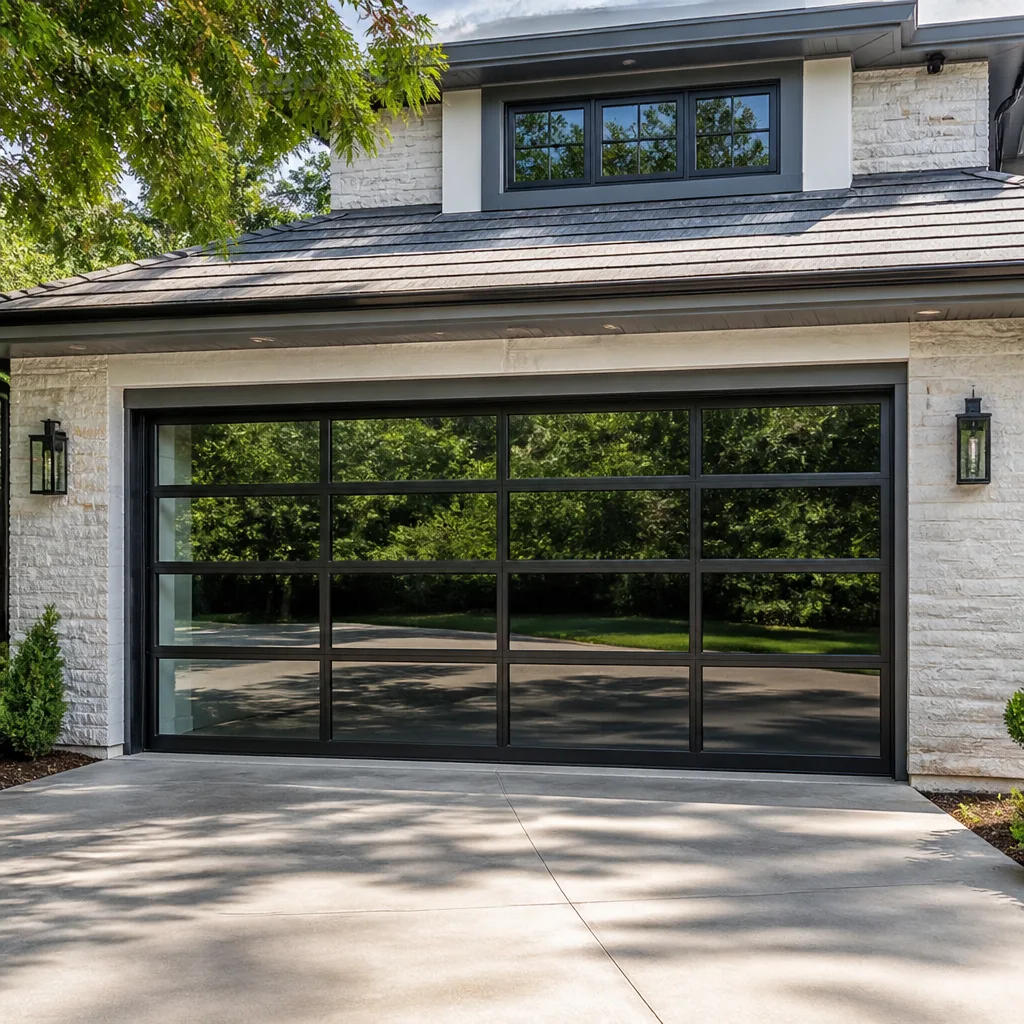 Full-view glass
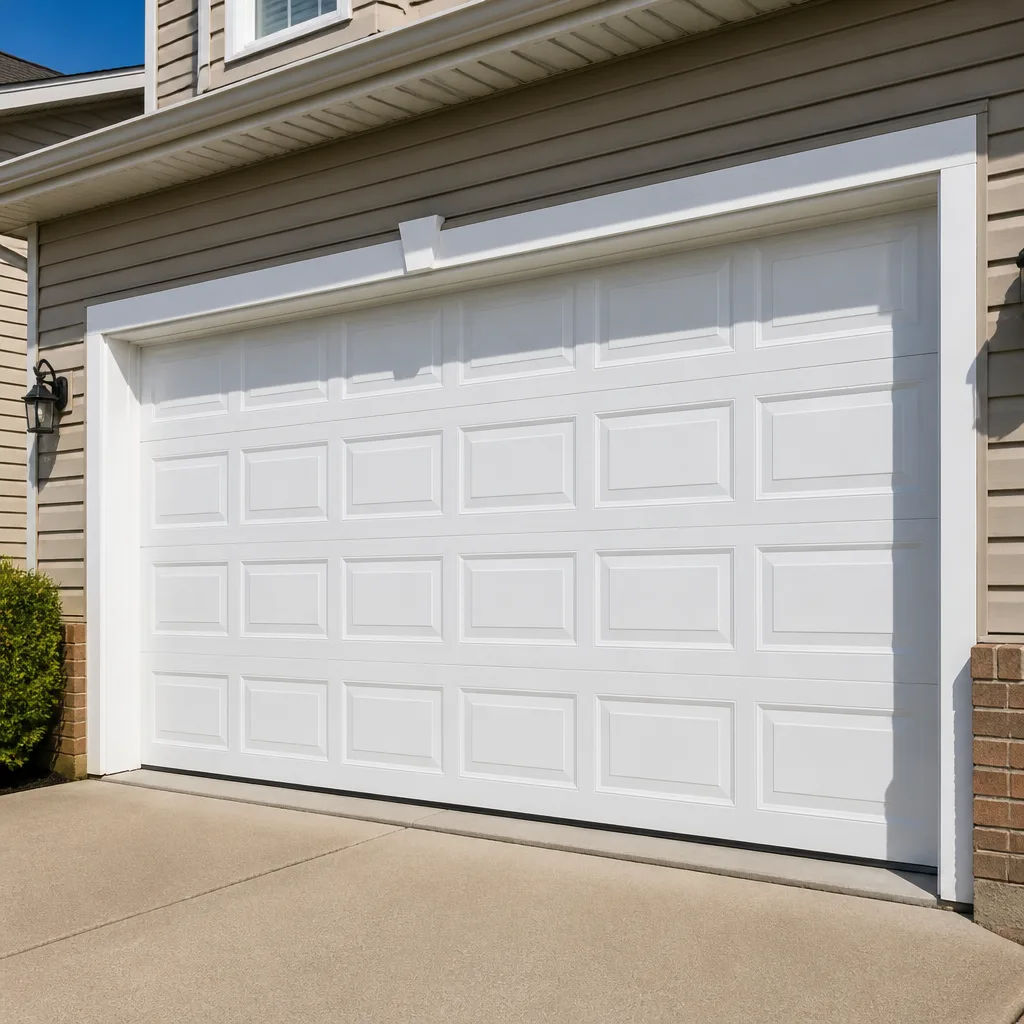 Raised-panel steel
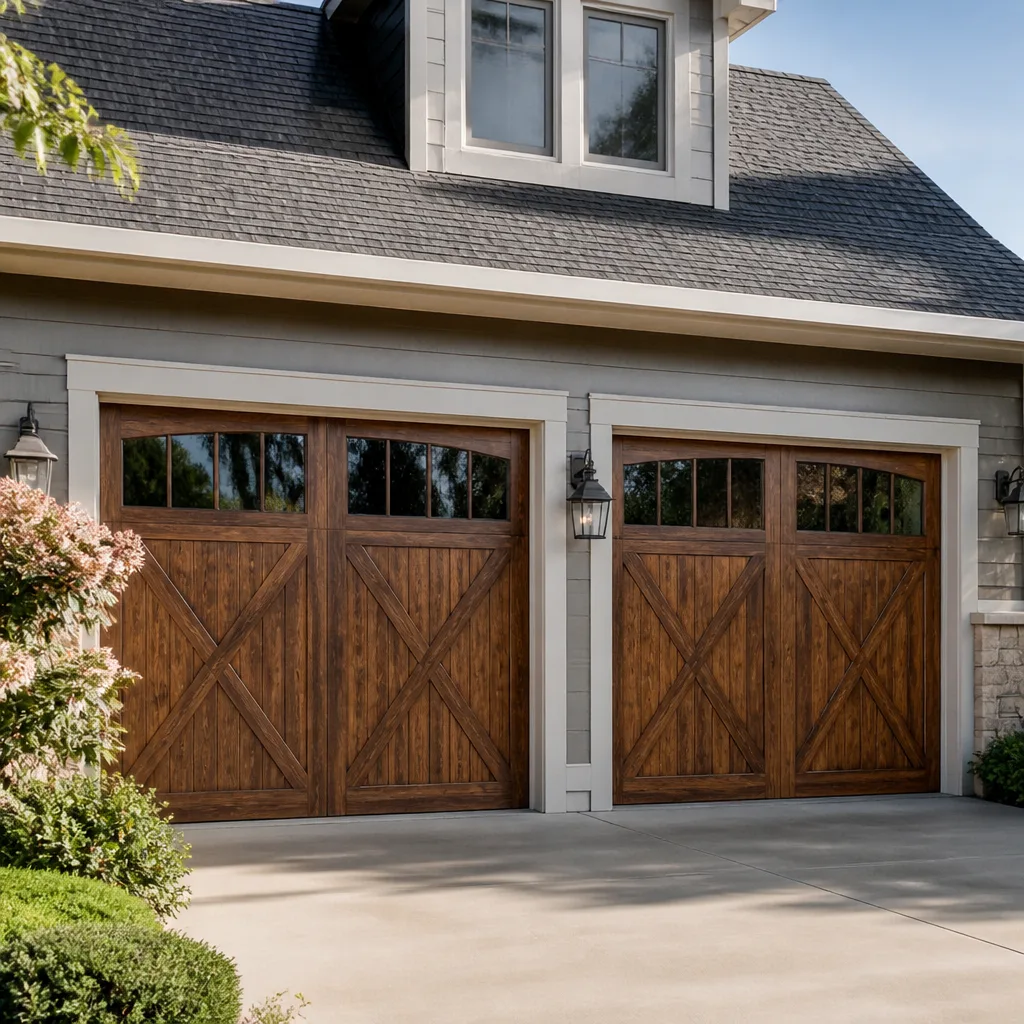 Carriage house
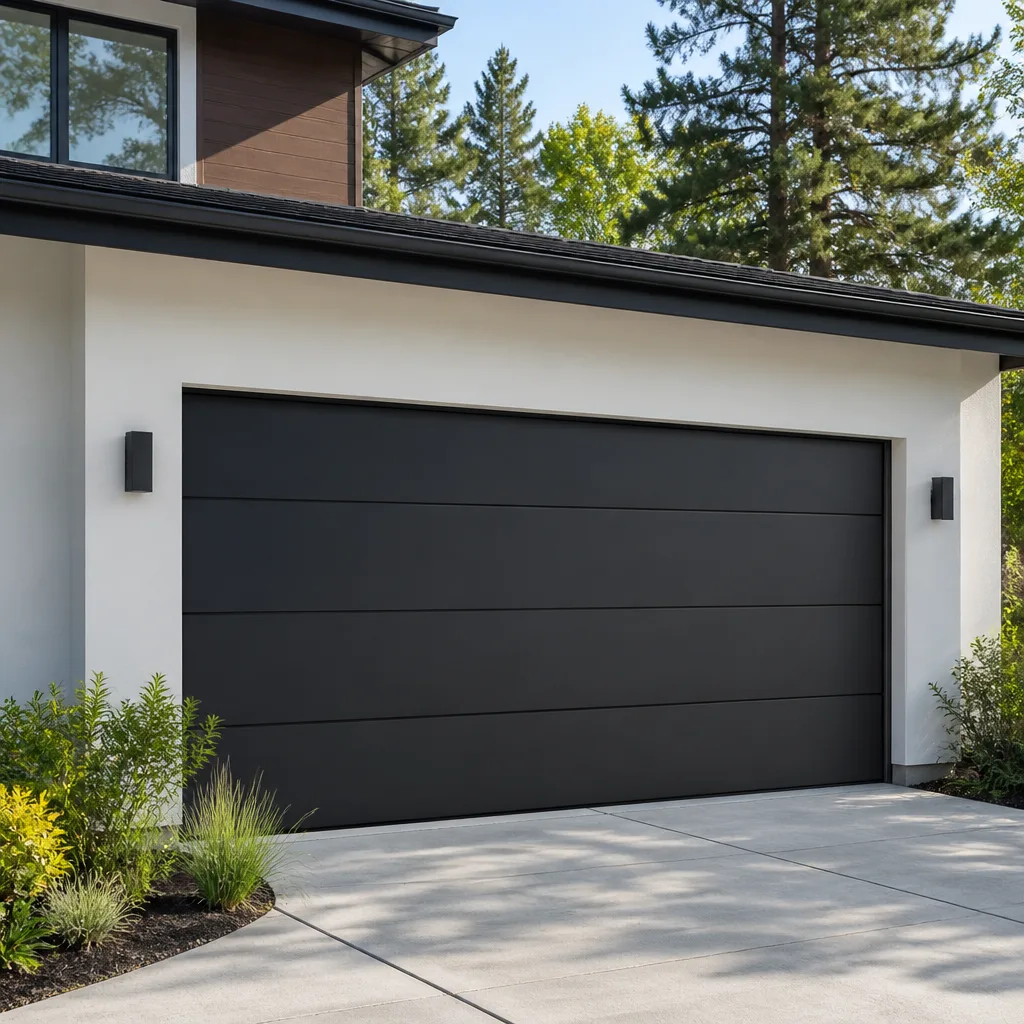 Modern flush
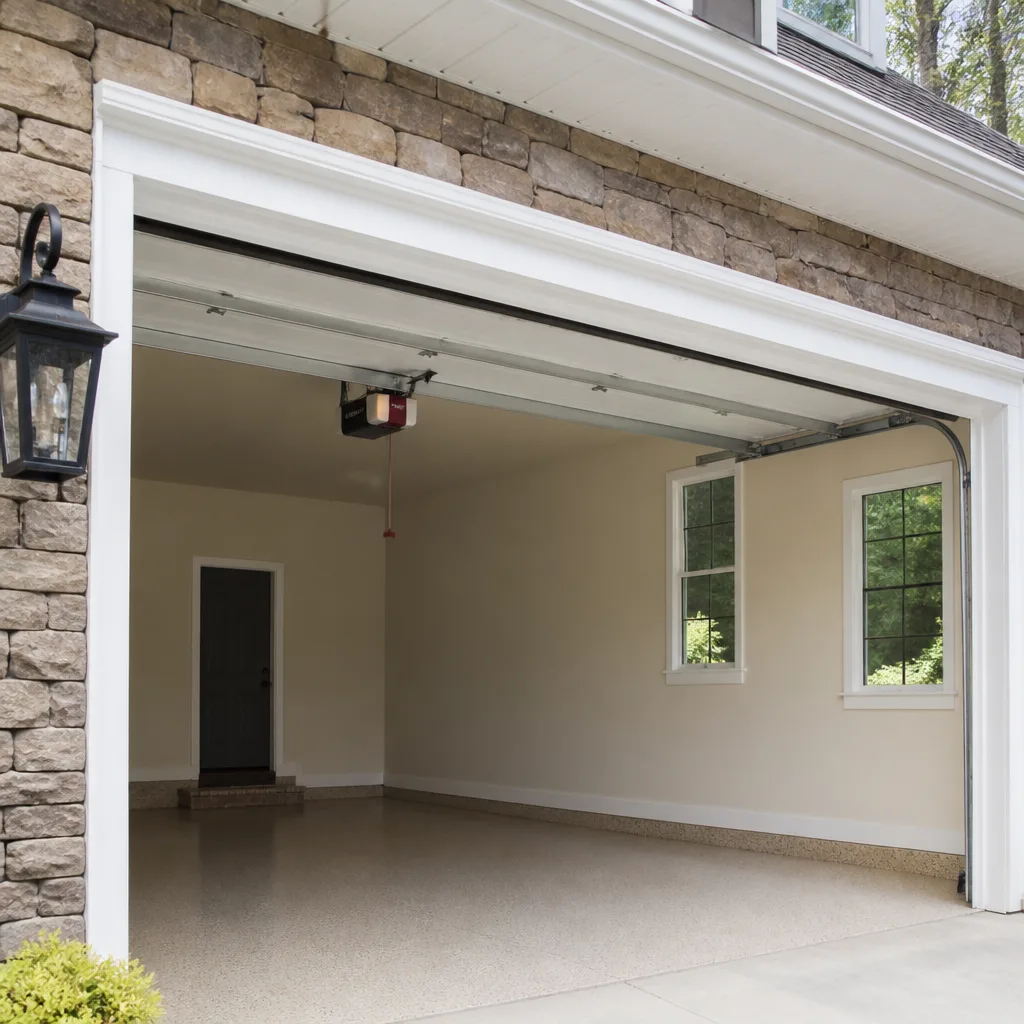 LiftMaster openers
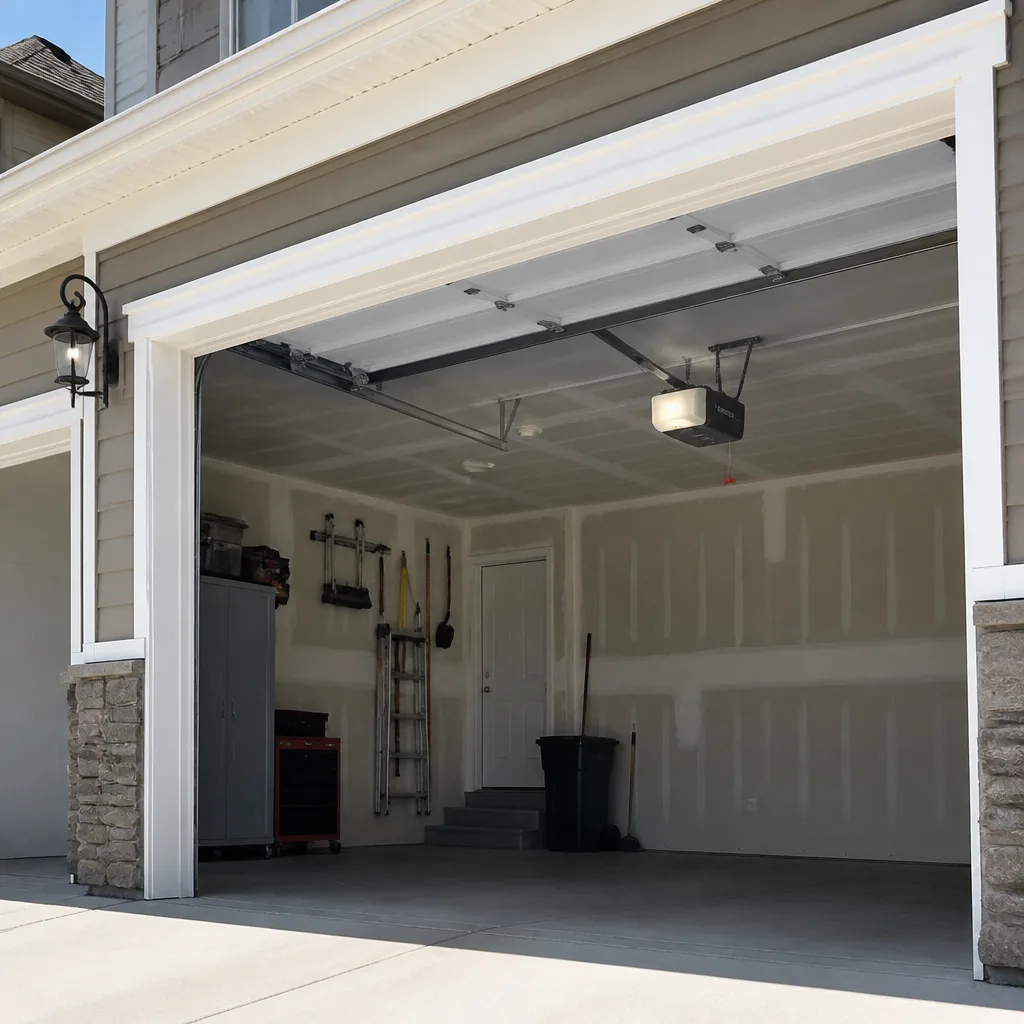 Chamberlain openers
Full 25-point door and opener safety check with every visit - springs, cables, rollers, tracks, and your LiftMaster or Chamberlain opener included
You get a price before we start. It does not change when the pro arrives.
Get your free estimateChoosing the Right Garage Door Brand: A Buyer’s Guide for Riverview
Most brand guides tell you which door looks best in a brochure. That’s not the decision that keeps you dry in July or keeps your warranty valid after a hinge starts squealing. The counterintuitive point is this: the brand matters less than what the brand can deliver here, in this climate, to the technician standing in your driveway. A carriage-style door with a long advertised warranty can still leave you waiting weeks for a replacement panel if the local parts pipeline runs through Orlando. In this guide, we’ll walk through what actually separates brands for Riverview homeowners: corrosion resistance, wind-load availability, parts accessibility in the Tampa Bay area, and how warranty claims are handled in Florida. You’ll learn to match a brand tier to how long you plan to stay in the home, and you’ll know what to ask before signing a quote.
Quick Answer
The right garage door brand for a Riverview home is the one whose doors are Florida Building Code wind-load compliant in standard sizes, whose steel and hardware hold up to Florida humidity, and whose parts a local specialist can actually source without weeks of waiting. For most homeowners, that points to Clopay, Wayne Dalton, Amarr, or CHI, with the final choice driven by gauge, insulation and warranty enforceability rather than marketing. Brand tier should match how long you plan to own the home, not a brochure’s feature list.
Styles & brands we work with
- Raised-panel steel
- Carriage house
- Modern flush
- Full-view glass
- LiftMaster openers
- Chamberlain openers
Table of Contents
- Why Garage Door Brand Matters More in Riverview Than You Think
- The Brands Most Commonly Installed in Riverview Subdivisions
- Florida Building Code and Wind-Load Doors: What’s Available in Standard Sizes
- Parts Availability in the Tampa Bay Market: Same-Day vs. Wait-for-Shipment
- Warranty Fine Print That Matters in Florida
- Matching Brand Tier to How Long You’ll Own the Home
- Openers Are Part of the Brand Decision Too
- A Step-by-Step Way to Choose Your Brand
Why Garage Door Brand Matters More in Riverview Than You Think
Garage door brands are not interchangeable the way a box of nails is. Each manufacturer sets its own steel gauge specs, its own hardware coatings, its own panel profiles, and its own authorized parts network. That means the brand printed on the label quietly decides four things: whether wind-load rated options exist in the size you need, whether the finish holds up to Riverview’s humid summers, whether a broken torsion spring can be sourced here or ordered from out of state, and whether a warranty you paid for is enforceable when something goes wrong.
Corrosion is the first thing to think about. Riverview sits in a humid subtropical pocket where summer heat and moisture push steel and hardware hard. A door with a lower-quality galvanized coating and standard hinges can show surface rust years before a door with a hot-dipped coating and nylon rollers. This doesn’t mean every cheap door rusts overnight, but it does mean the coating spec deserves as much attention as the color when you compare brands for a Florida home.
Wind-load availability is the second factor. Many brands offer wind-rated options, but the fine print often pushes those into custom orders with extended lead times. For a homeowner in Riverview who needs a standard-size door quickly, that’s a real problem. The door that ships fast and passes inspection beats the door with a prettier spec sheet.
Parts accessibility is the third factor, and it’s the one most buyers miss. Springs, rollers, hinges, panels, and openers aren’t universal. If your door is a model the local service network can’t source parts for, you’re stuck waiting. As a garage door specialist, we work on eight major brands, so we can speak to what comes through the pipeline and what’s frustrating to source here.
The Brands Most Commonly Installed in Riverview Subdivisions
If you drive through Riverview subdivisions, you’ll see the same names on the same door types over and over. Clopay, Wayne Dalton, Amarr, and CHI dominate here, running the range from builder-grade steel doors to insulated carriage-style doors. The differences between them aren’t dramatic on paper, but they add up in three areas: steel gauge, insulation R-value, and hardware corrosion resistance.
Steel gauge
Steel gauge works like a grid: lower numbers mean thicker steel. Builder-grade doors often use 27- or 28-gauge steel, while mid-tier and premium doors move up to 25- or 24-gauge. Thicker steel resists denting, holds panel shape better through heat cycles, and takes hardware screws more securely. A 24-gauge door costs more upfront, but it doesn’t oil-can or dimple the first time something bumps it.
Insulation R-value
R-value tells you how well a door resists heat transfer. Non-insulated doors sit near the bottom of the scale. Single-layer steel with a polystyrene back can step up noticeably, and doors with polyurethane foam cores climb higher. For a garage used as a workshop, or one under living space, the higher insulation is worth the premium. For a detached storage garage, the middle tier makes more sense.
Hardware corrosion resistance
Compare the hinge and roller materials. Nylon rollers with sealed bearings shed moisture better than steel rollers. Galvanized hinges outlast standard painted steel. Ask specifically what the door’s hardware is finished with, and compare across brands rather than accepting the default.
- Clopay: Broad range from builder-grade to premium insulated models, with strong dealer support in the Tampa Bay area and wind-rated options that come in standard sizes more readily than some competitors.
- Wayne Dalton: Known for carriage-style and traditional models, decent mid-tier insulation, and hardware quality that holds up well in humid climates.
- Amarr: Solid middle-tier options with competitive insulation specs and a wind-load line that’s workable for Florida requirements.
- CHI: Higher-gauge steel available at competitive prices, less common as a builder default but worth considering for a longer hold.
We’ve seen homeowners in Riverview get genuinely surprised by how much a builder-grade 27-gauge door has dented after a few summers of heat cycling. When that door needs work, the choice of brand for replacement should weigh what you’re actually living with now.
Florida Building Code and Wind-Load Doors: What’s Available in Standard Sizes
Wind-load requirements are the part of the brand decision that hundreds of guides skip. Florida Building Code requires garage doors in many applications to carry wind-load ratings appropriate to the home’s design pressure and location. Getting a door that passes inspection isn’t optional, and getting one that passes without a custom-order surcharge takes some foresight.
The brands that handle this well make wind-rated doors available in common widths (8, 9, 16, 18 feet) without forcing a full custom build. Brands that handle it poorly push every wind-rated door into a custom spec with lead times that can stretch out well past what a homeowner expects. For a door replacement in a Riverview subdivision where standard sizes are the norm, this is a real differentiator.
What you should look for in the paperwork:
- A product approval number issued for Florida, tied specifically to the door model, size, and reinforcement package you’re buying.
- Wind-load ratings in the door’s own documentation, not just a general marketing claim.
- Reinforcement details (strut packages, hinge specs) that match what the approval calls for.
- A signoff from the installer that the door, hardware, and tracks all meet the same rated assembly, not just the door panel.
Doors ordered without the correct approval documents can fail inspection, which means removal and reinstallation at your expense. Ask the installer to show the approval documentation before the door is ordered. If your door needs permit work or a retrofit to pass, it’s fine to ask your city’s building department what applies to your address; they’ll give you the specific answer for your home.
If you’re working through the install side of this, the Riverview Garage Door Repair Pros team handles wind-load documentation as part of the install process. It’s the kind of detail that should never be left to chance.
Parts Availability in the Tampa Bay Market: Same-Day vs. Wait-for-Shipment
Parts availability is the most underrated factor in choosing a garage door brand. It doesn’t matter how nice the door is if a broken roller or spring leaves you waiting weeks. In the Tampa Bay market, some brands’ springs, rollers, and panels are stocked locally and can be sourced same-day. Others are only obtainable through manufacturer shipments that can stretch into multi-week lead times.
What’s typically easy to source here:
- Standard torsion and extension springs in common wire gauges for the most widely installed residential doors.
- Rollers, hinges, and bearings for hardware that matches the OEM spec.
- Common opener replacement parts for LiftMaster, Chamberlain, Genie, and Craftsman.
What’s typically harder and can require a wait:
- Proprietary panel profiles on premium or carriage-style doors, especially when color-matching older installs.
- Brand-specific decorative hardware with finishes that aren’t stocked.
- Older door models that have been discontinued by the manufacturer.
When we assess a door, we’re checking whether parts are locally available before we promise a fix. For garage door repair, that availability turns a one-visit fix into a two-week delay if the wrong brand is in play. If you’re comparing brands for a replacement, ask the seller not just what’s on the door but what’s on the shelves in the region when something breaks.
Spring work deserves its own note. Torsion springs store enormous energy, and a mistake during replacement can cause serious injury. Our technicians who handle garage door spring repair are trained specifically for that risk, and we source springs that match the door’s weight and cycle specs rather than approximating. If your current door’s brand is one where parts are hard to source, replacing the springs may become harder than replacing the door, which is a real brand-tier signal.
Warranty Fine Print That Matters in Florida
Warranty length means nothing if the claim gets denied. In Florida, the two most common reasons manufacturer warranties get voided are improper installation and lack of maintenance documentation. Both are entirely within your control if you know to plan for them, and both should shape your brand choice.
Improper installation is where most warranty problems start. A door installed with the wrong strut package, without enough headroom clearance, or outside the manufacturer’s intended application can void the panel warranty before you’ve had a single problem. Homeowners who buy a door through a general contractor or a handyman rather than a garage door specialist run that risk more often than they realize.
Maintenance documentation is the second issue. Many manufacturers require evidence of routine service (typically annual) to enforce certain warranty terms. If a claim comes in after four years with zero service records, the manufacturer has grounds to deny it. That’s not a reason to skip the brand; it’s a reason to keep records and have service done. A simple annual tune-up receipt is worth keeping.
When you compare brands, ask these questions directly:
- Does this warranty require proof of professional installation, or does it allow owner installation?
- Does it require documented maintenance, and if so, at what interval?
- How are panel and finish warranties handled if the specific panel is discontinued?
- Is there a separate wind-load warranty tied to the rated assembly, and what does it require to remain valid?
The strongest coverage tends to come from brands with clear, printed terms, a local service network, and dealer support in the Tampa Bay area. Brands whose coverage is technically long but hard to enforce lean heavily on the fine print. A brand with a shorter published warranty that’s actually honored beats a longer warranty with an escape hatch.
Matching Brand Tier to How Long You’ll Own the Home
Here’s the ROI math most buyers miss: the right brand tier depends on how long you’ll own the home. A homeowner planning to sell in five years has a different calculation than someone who expects to be in the same house for 20 years. Brand tier should reflect that.
Five-year hold
If you’re selling in five years, you want a door that passes inspection, looks good from the street, and doesn’t create repair headaches before the listing. A builder-grade to mid-tier door from a brand with strong local parts support is a smart choice. Skip the premium insulated door unless you’re using the garage as living space, because the resale premium on the higher R-value won’t show up in five years of appreciation.
Ten-year hold
This is the middle ground. A mid-tier door with better insulation and more durable hardware starts to pay for itself in comfort and lower repair bills. Corrosion resistance moves up in importance because you’re living through more humid summers. A brand you can service locally without shipping delays matters more when a decade of wear is on the door.
Twenty-year hold
For a long hold, choose the higher-gauge steel and the strongest hardware coatings. Premium insulation becomes worthwhile if the garage is attached to conditioned space. Brand becomes less about the label and more about the parts pipeline: can your local specialist keep this specific door running smoothly for two decades, or will you be forced into a swap when a key component is discontinued? Brands with a broad, well-stocked parts line score well here.
For any tier, get the spec in writing with the model number. A quote that says “insulated steel door” without a model number can become a lower-tier door on delivery. The written estimate should name the model, the steel gauge, the R-value, and the wind-load approval number.
Openers Are Part of the Brand Decision Too
The door is only half the system. The opener is the other half, and the brand decision often runs together with the door brand even though they’re separate choices. The good news is that compatibility is broader than most homeowners assume. LiftMaster, Chamberlain, Genie, and Craftsman openers all work with most residential door brands, so the door choice rarely forces an opener brand on you.
What to think about for the opener side:
- Lift belt-drive openers for quieter operation in homes with living space above the garage.
- Jackshaft or wall-mounted openers for garages without ceiling height for a traditional rail.
- Smart-capable openers (LiftMaster, Chamberlain, and Genie lines cover most modern smart-home integrations).
- Battery backup for openers, which matters when a storm takes out power.
Our team works on LiftMaster, Chamberlain, Genie, and Craftsman opers routinely, so we can connect the door spec to the opener spec without a compatibility gap. If you’re choosing at garage door opener repair time, the opener model often points to what door and hardware spec you should target next.
A Step-by-Step Way to Choose Your Brand
If you want this decision to be clean, work through it in order. The sequence matters because later steps are cheaper to undo than earlier ones, so start with the constraints that are hardest to change.
- Confirm your wind-load requirement. Ask your city’s building department or review your existing door’s documentation to know what rated assembly applies to your home.
- Measure the rough opening. Confirm whether you’re in a standard or custom size, because custom size can force brand choices and surcharges.
- List your top three brands from the local shortlist. Clopay, Wayne Dalton, Amarr, and CHI cover most Riverview subdivision cases. Include any brand whose specific model best matches your steel gauge and insulation goals.
- Check parts availability for each brand. Ask your installer directly whether springs, rollers, and panels for the specific model are sourceable in the Tampa Bay market without manufacturer shipment.
- Read the warranty closely. Focus on the installation and maintenance terms, not the headline length. Confirm the wind-load warranty is separate and enforceable.
- Confirm the door’s model number and spec in the written quote. Steel gauge, R-value, finish, hardware finish, wind-load approval number. The written estimate is the price you’ll pay, and the model number is what you’ll get.
- Match tier to your hold period. Builder-grade for a five-year hold, mid-tier for ten, premium for twenty. Don’t overbuy on features you won’t use.
- Lock in the opener spec. Confirm opener brand, drive type, and smart-home compatibility before the door is ordered so the two systems match.
Working through this order gives you a brand recommendation you can defend, not a brochure pitch. It also gives you a clean set of questions to pose to any installer, whether or not you use us.
Common Mistakes to Avoid
- Chasing warranty length instead of enforceability. A “lifetime” warranty with an installation-fine-print escape hatch is worth less than a shorter warranty with clear terms. Read the fine print before you buy.
- Overlooking wind-load availability at the point of sale. Wind-rated doors that force a custom order can add weeks to your timeline. Confirm approval in standard sizes before you sign.
- Buying the cheapest steel gauge for a hot, humid garage. Thinner steel dents and oil-cans faster. In a Riverview summer, you’ll feel the difference within a few seasons.
- Assuming the local parts pipeline will catch up. Some brand-specific panel profiles and decorative hardware simply aren’t stocked in the Tampa Bay area. Ask before you commit.
- Skipping maintenance documentation. Losing your service records can void significant portions of a manufacturer warranty. Keep receipts.
- Choosing a brand purely on looks without checking the installer’s spec. A beautiful door installed with the wrong strut package can still fail inspection. Confirm the rated assembly matches the door.
- Buying the top-tier door for a five-year hold. The resale premium on premium insulation rarely shows up in that window. Match tier to hold period.
See the difference
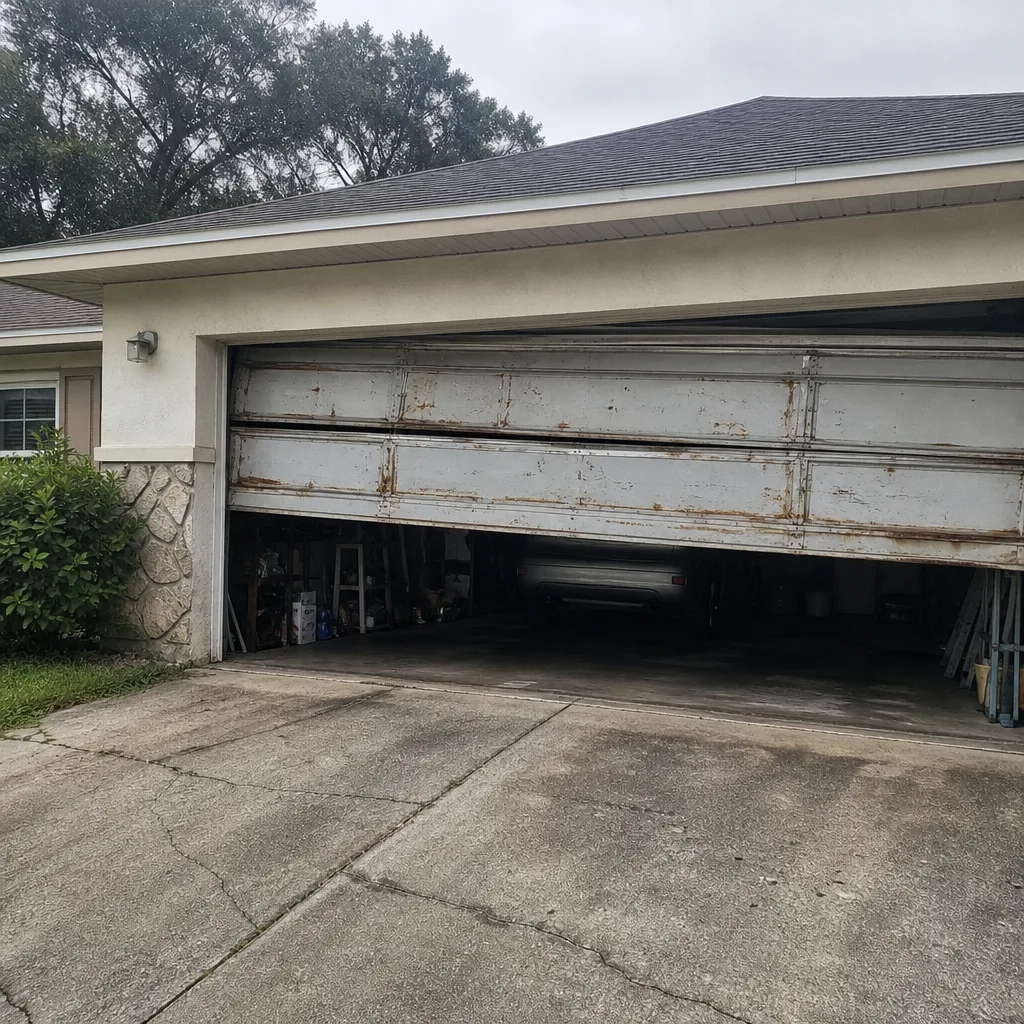 Before
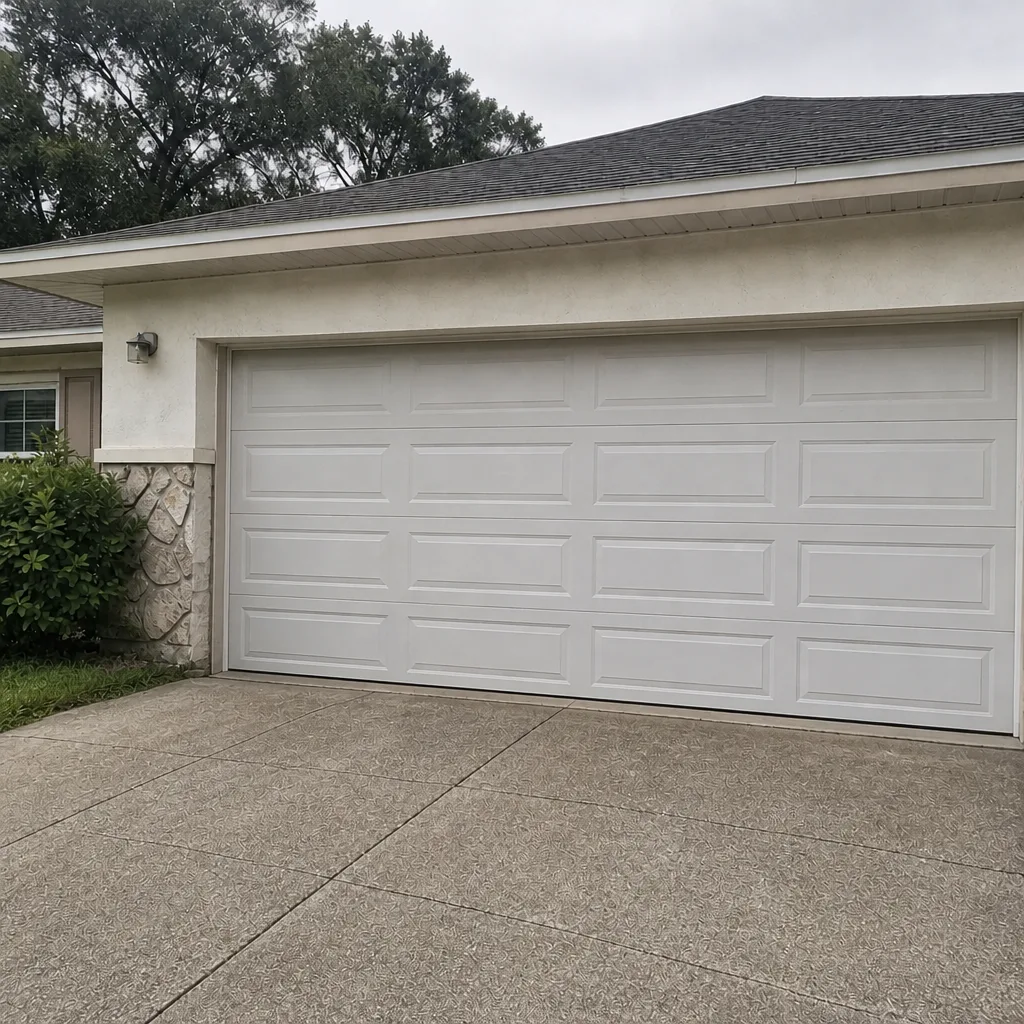 After
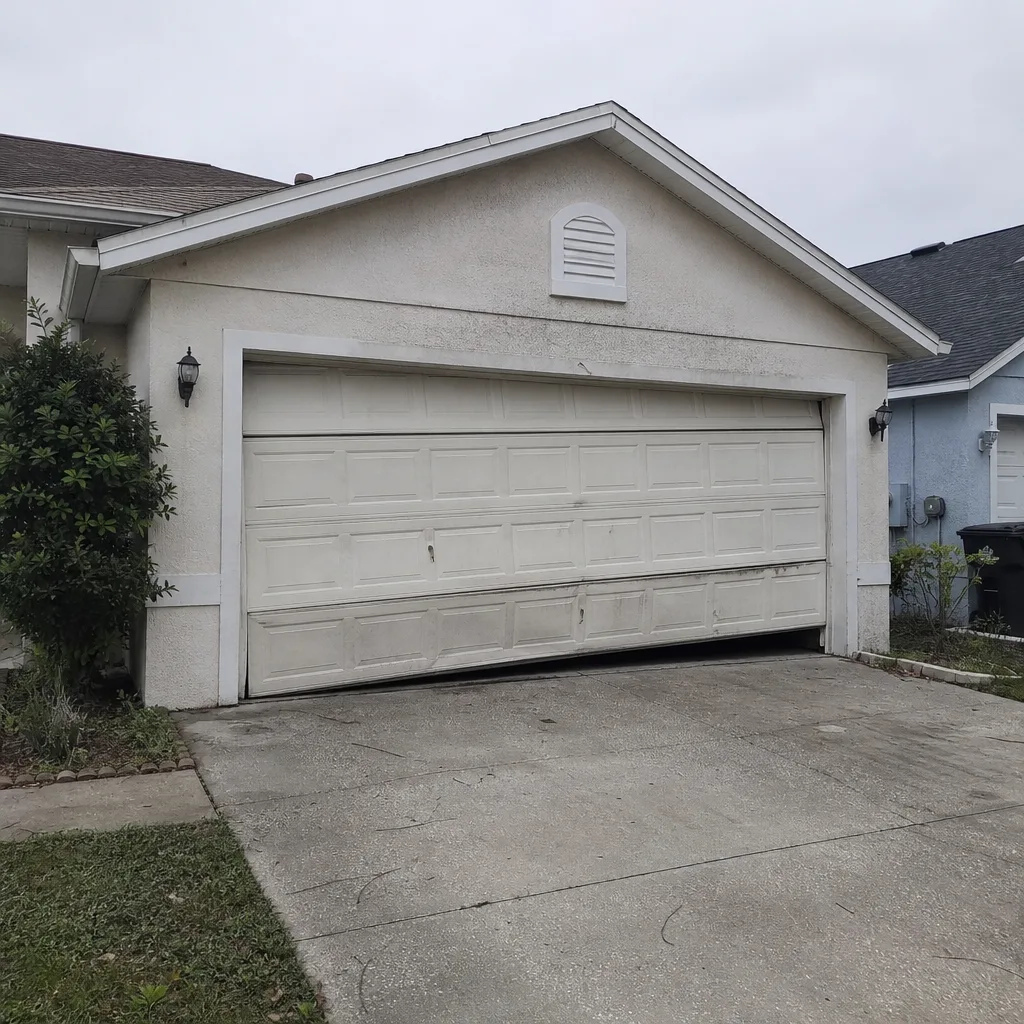 Before
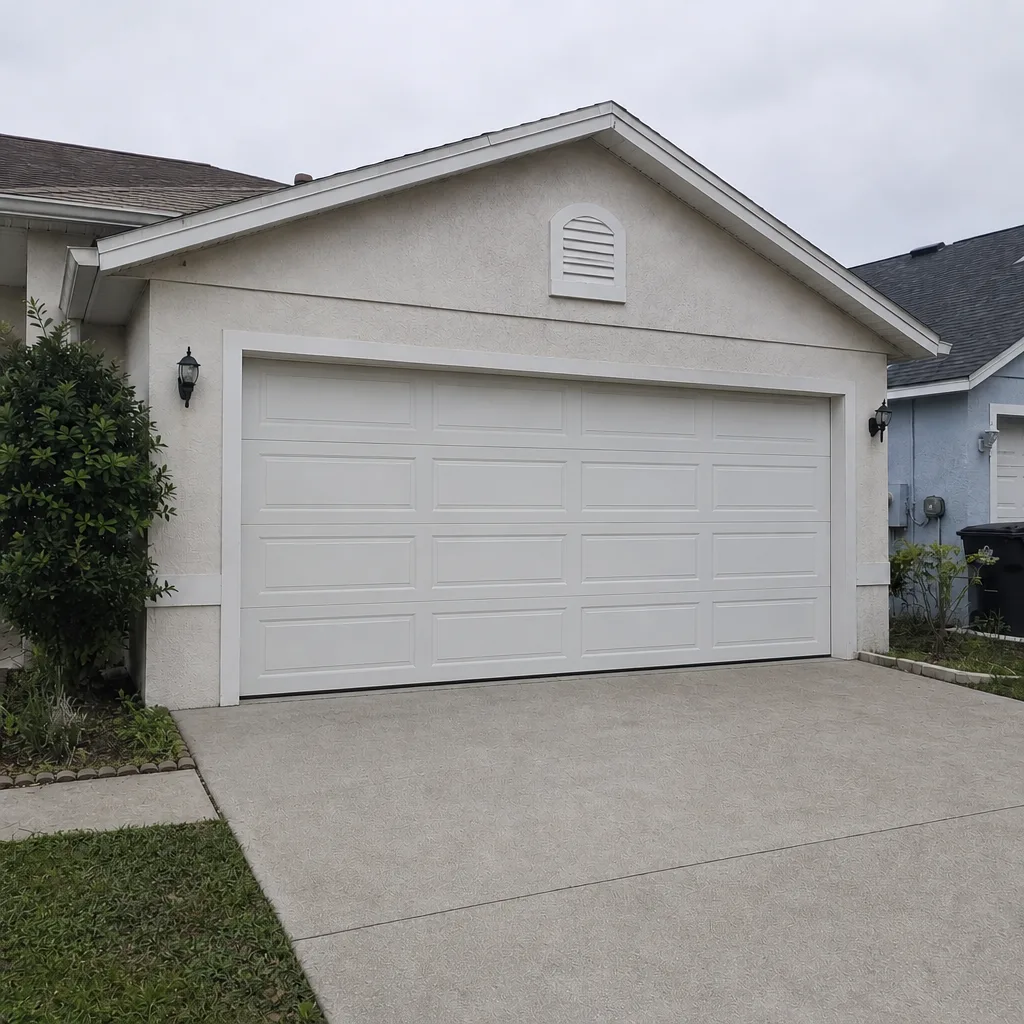 After
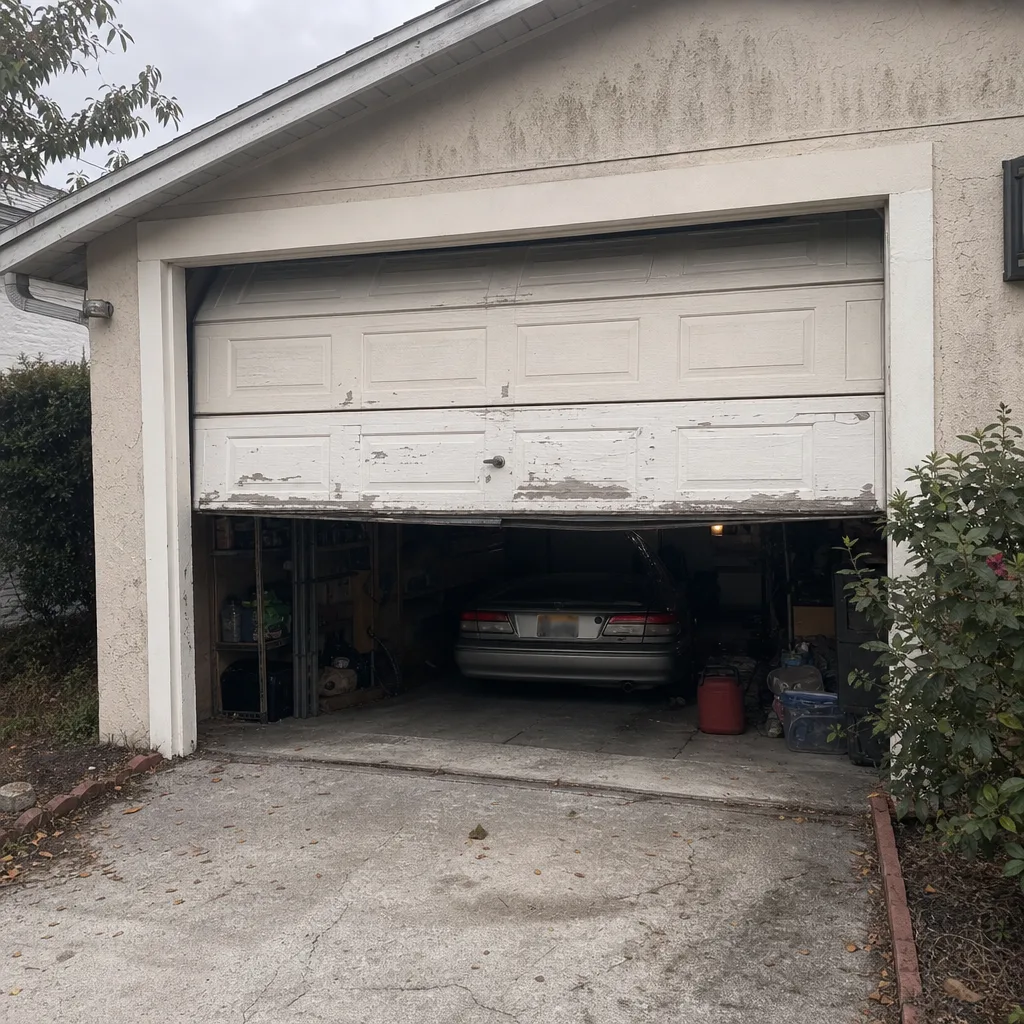 Before
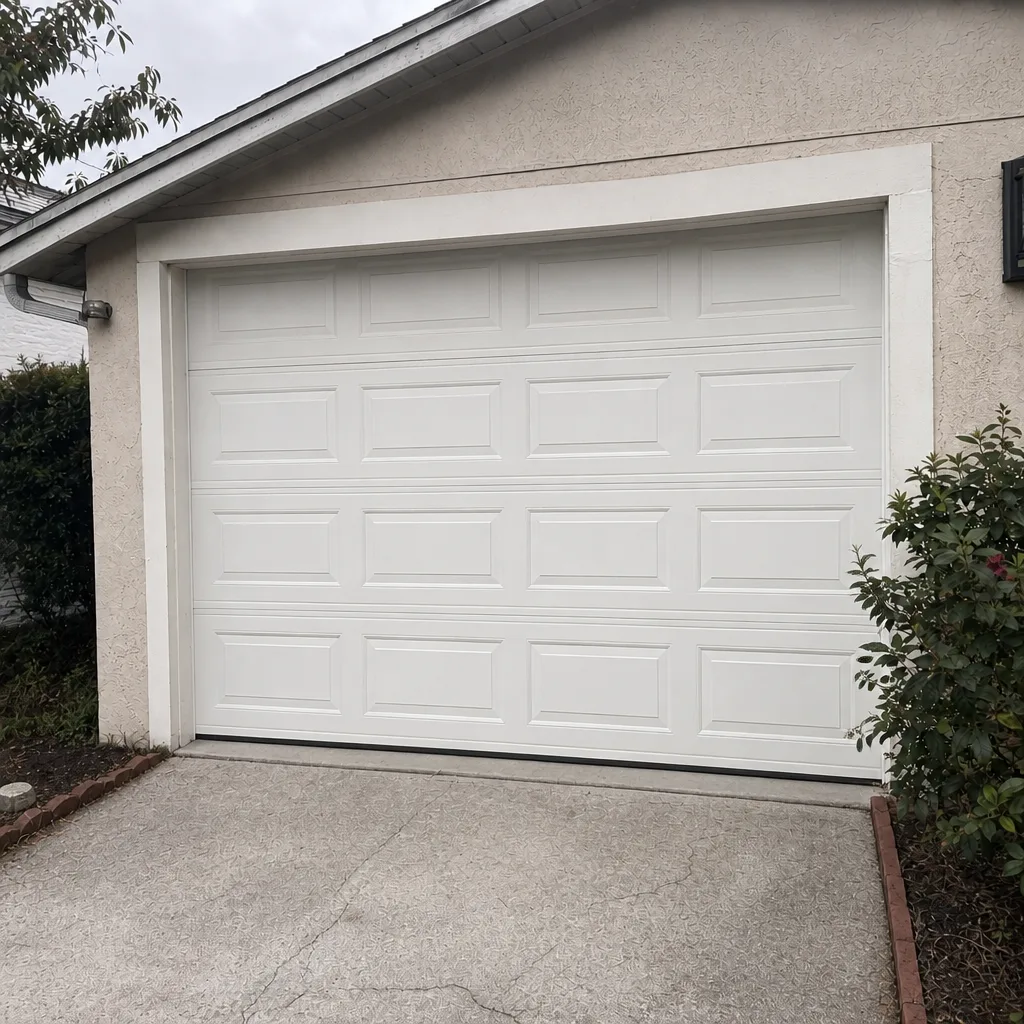 After
When to Call a Professional
If you’re choosing a brand for a door that’s already failing, or you’re unsure whether your existing door meets wind-load requirements, that’s the point to call. The same is true if a spring has snapped, an opener has failed, or a door is stuck half-open; those aren’t the moments to compare brochures. Springs and torsion systems store serious energy, and a mistake during replacement can cause severe injury, so spring work belongs with a trained professional every time. Our technicians have up to 14 years of experience and work on LiftMaster, Chamberlain, Genie, Clopay, Amarr, Wayne Dalton, Craftsman, and Raynor equipment. If your opener is failing, we handle garage door opener repair alongside door work so you don’t need a second call. Riverview Garage Door Repair Pros offers free estimates in Riverview. Call (866) 885-7049 to set one up and get a written price before any work begins.
Frequently Asked Questions
There isn’t one universal “best” brand, and any guide that names one is overselling. For most Riverview homes, the right pick is a Florida wind-load approved door in a standard size with strong local parts availability, and that points most buyers toward Clopay, Wayne Dalton, Amarr, or CHI. The practical answer is the brand whose door you can get in the size you need, pass inspection with, and keep running for as long as you plan to own the home.
Ask for the product approval number tied to the specific door, size, and reinforcement package. The approval documentation names the rated assembly, and it needs to match what’s installed, not just the panel. If you’re unsure what applies to your home, your city’s building department will tell you the requirement for your address. Our team can also walk you through what the documentation should show.
Improper installation and missing maintenance documentation are the two most common voiding causes. Installation terms often require the door to be installed by a qualified installer, within the manufacturer’s application limits, and with the correct hardware. Maintenance terms often require documented annual service. Keep service records, and make sure your installer follows the spec exactly. If you need service records going forward, we can help; call (866) 885-7049.
For widely installed brands and standard models, springs, rollers, and hinges are usually sourceable in the Tampa Bay market without a long wait. Premium panel profiles, discontinued models, and finish-specific decorative hardware can require manufacturer shipments. Before buying a door, ask your installer what’s locally available for the specific model. During repair, our technicians check parts availability before quoting a fix, so you know the timeline before work starts.
No. Door and opener brands are independent choices, and compatibility is broad. LiftMaster, Chamberlain, Genie, and Craftsman openers work with most residential door brands, so the door choice rarely forces an opener brand. The bigger consideration is whether the opener’s drive type (belt, chain, jackshaft, smart-capable) suits your garage. We work on both traditional and smart-capable openers from those four makers, so we can match the two systems as part of the install or repair.
Not always, but sometimes it’s the sensible move. If a broken spring, roller, or panel is easy to source locally, repair is the way to go. If the door model is discontinued and a key component can’t be found without extended waiting, replacement often makes more financial sense than repeated repairs on a door that’s hard to keep running. We can look at what’s actually available for your door and give you both paths in writing before you decide.
The Bottom Line
The best garage door brand for your Riverview home is the one that delivers on four fronts: Florida wind-load approval in the size you need, hardware that holds up to a humid subtropical climate, parts a local specialist can source without waiting on shipment, and a warranty that actually gets honored. Match brand tier to your hold period (builder-grade for a five-year horizon, mid-tier for ten, premium for twenty), confirm the model number in the written quote, and keep maintenance records so the warranty stays enforceable. Settle on the spec, then let the brand follow the constraints rather than the other way around.
If you’re choosing a brand, replacing a failing door, or trying to sort out a stuck door or broken opener, we can help. Our team connects homeowners in Riverview with independent local professionals across the eight brands we work on, and we handle repair, opener work, spring work, and full installation under one call. Call (866) 885-7049 for a free estimate and a written price before any work starts.
Written by the team at Riverview Garage Door Repair Pros.