Last updated November 21, 2026
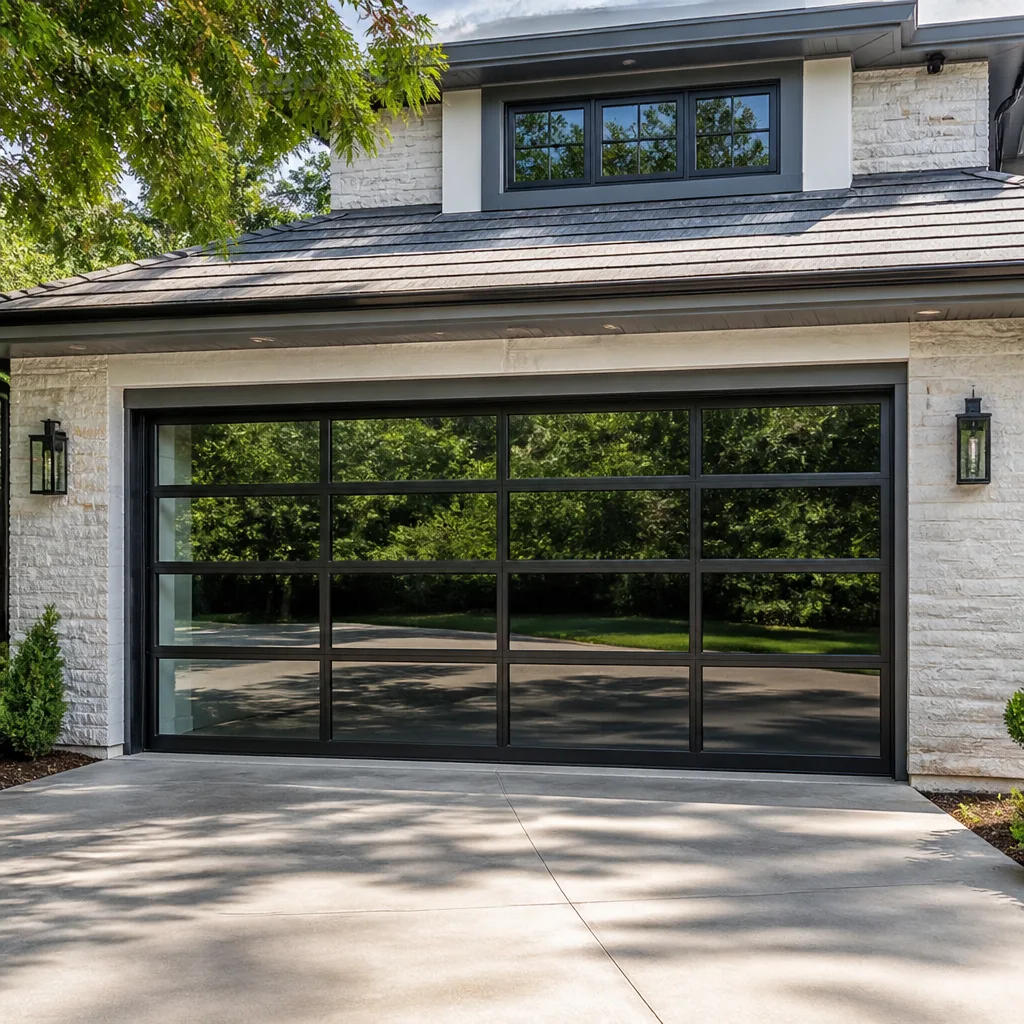 Full-view glass
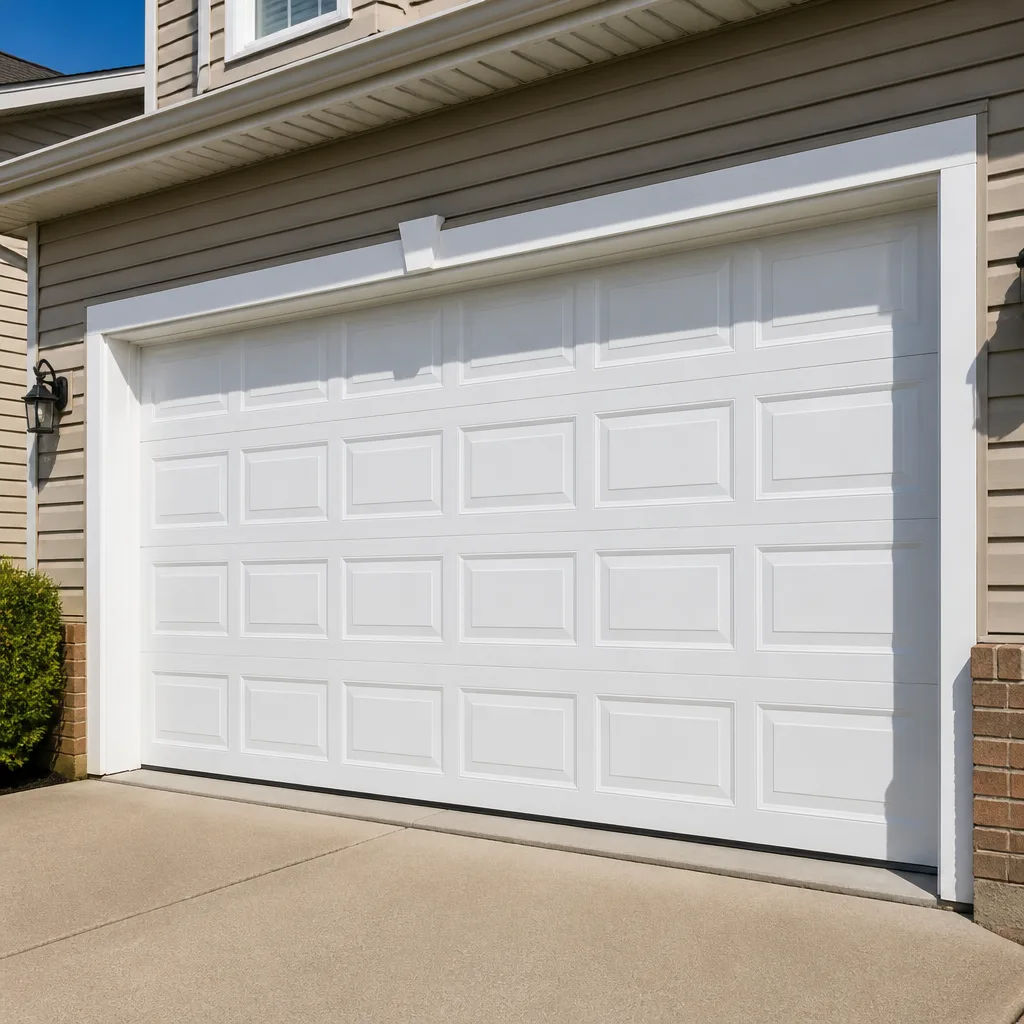 Raised-panel steel
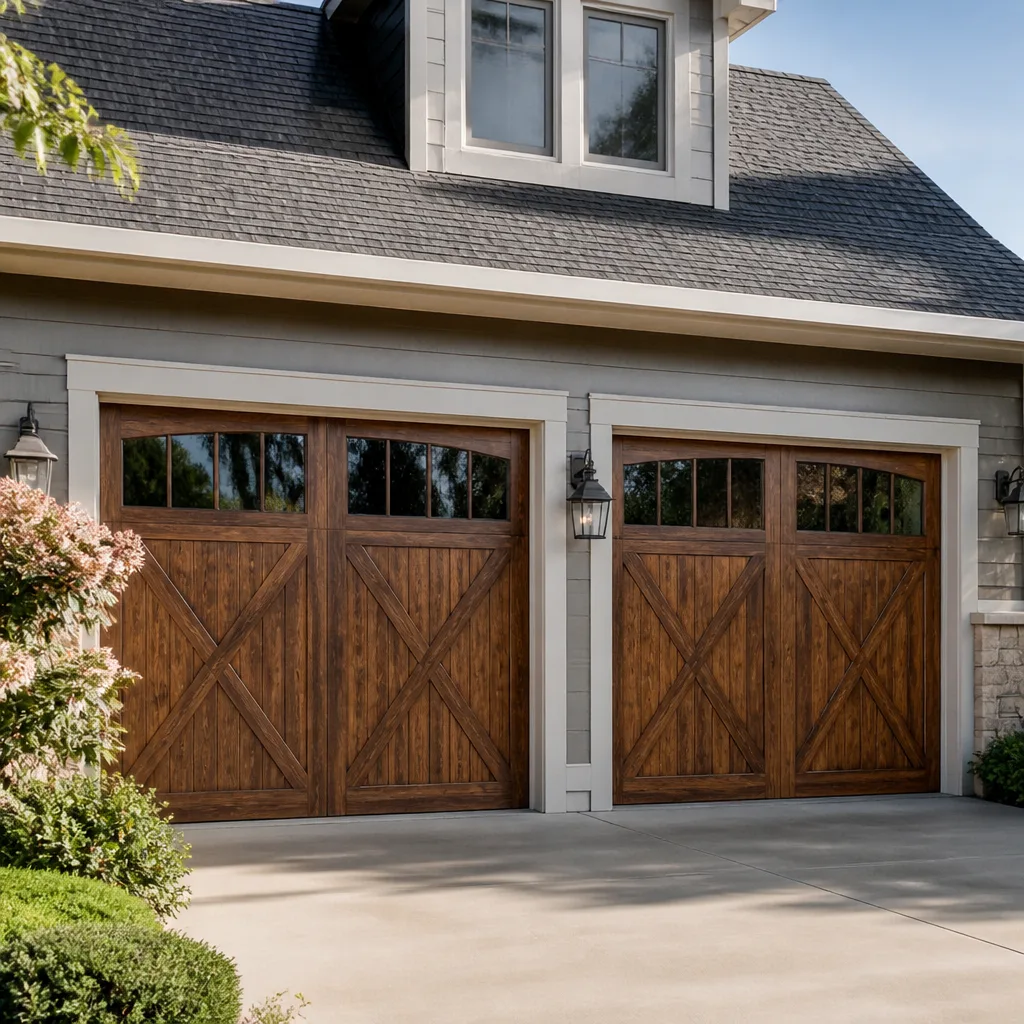 Carriage house
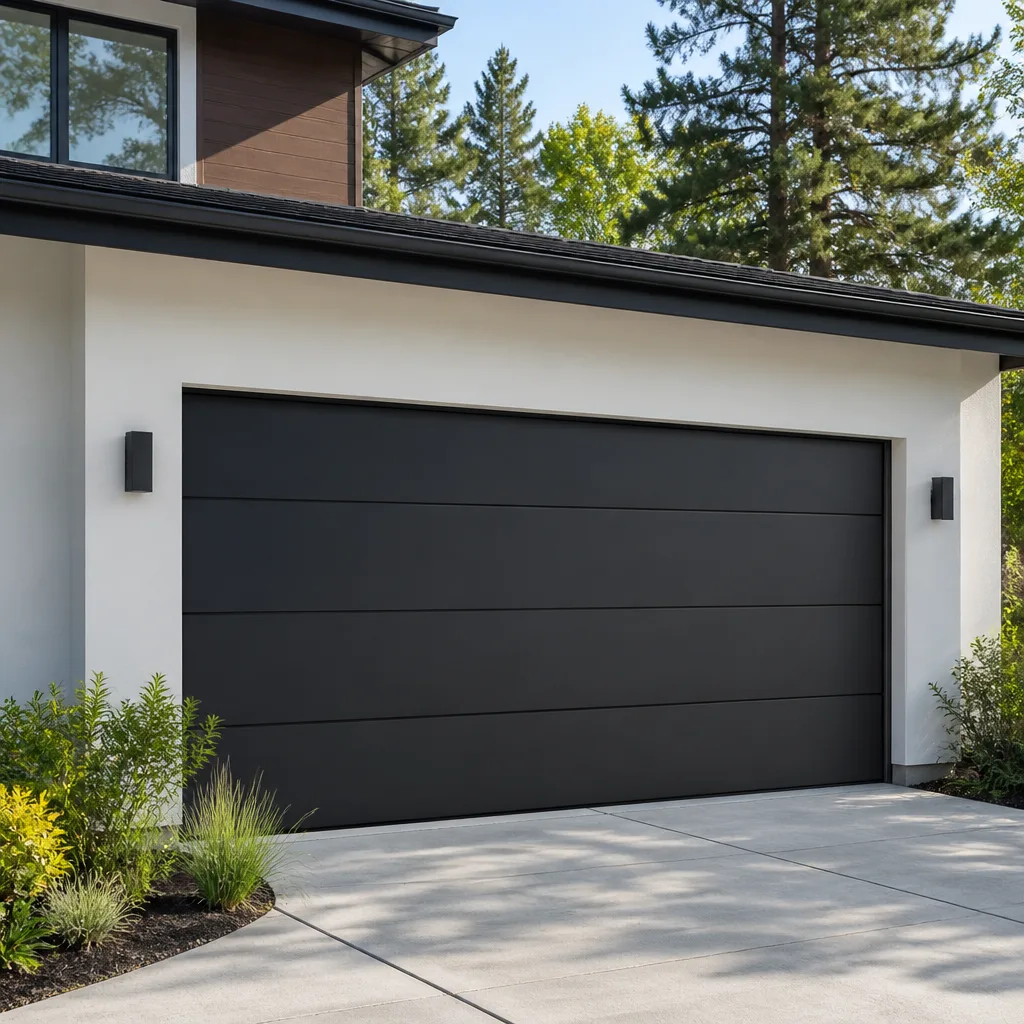 Modern flush
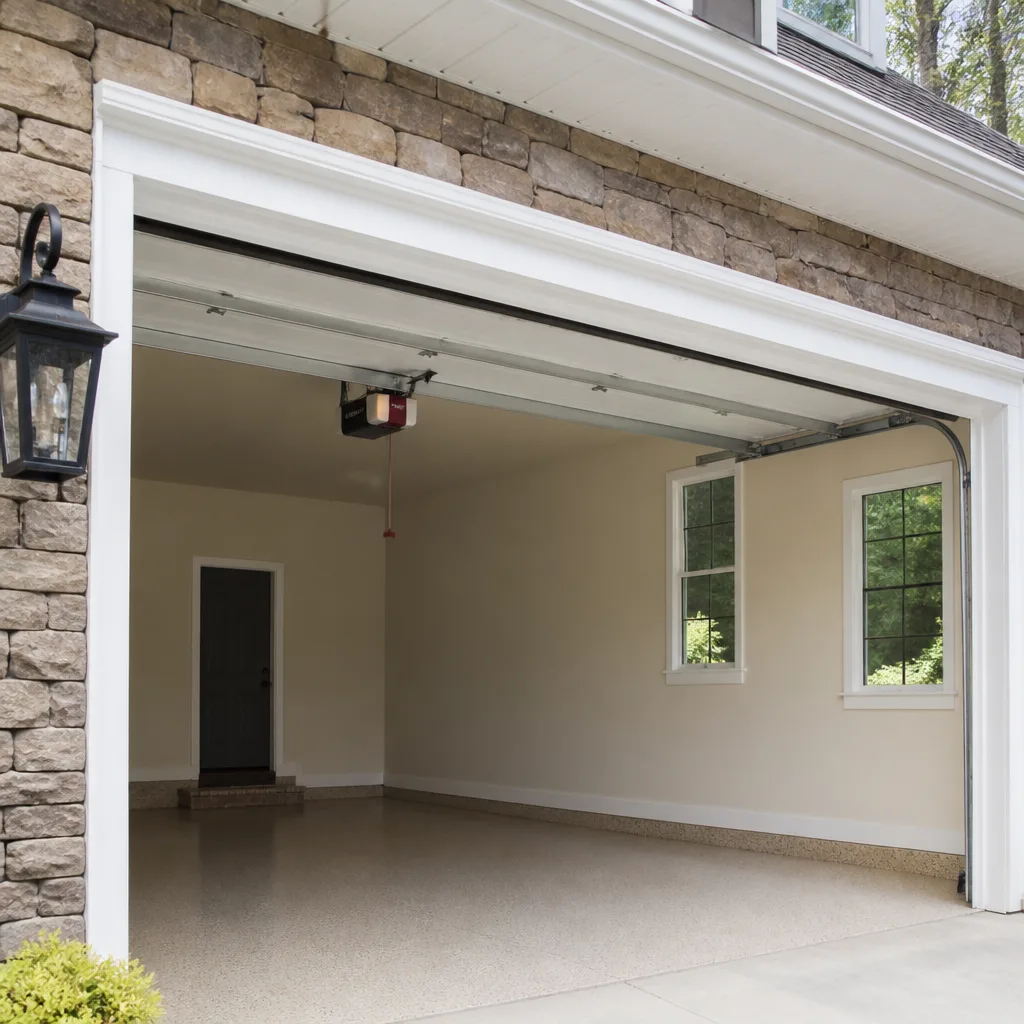 LiftMaster openers
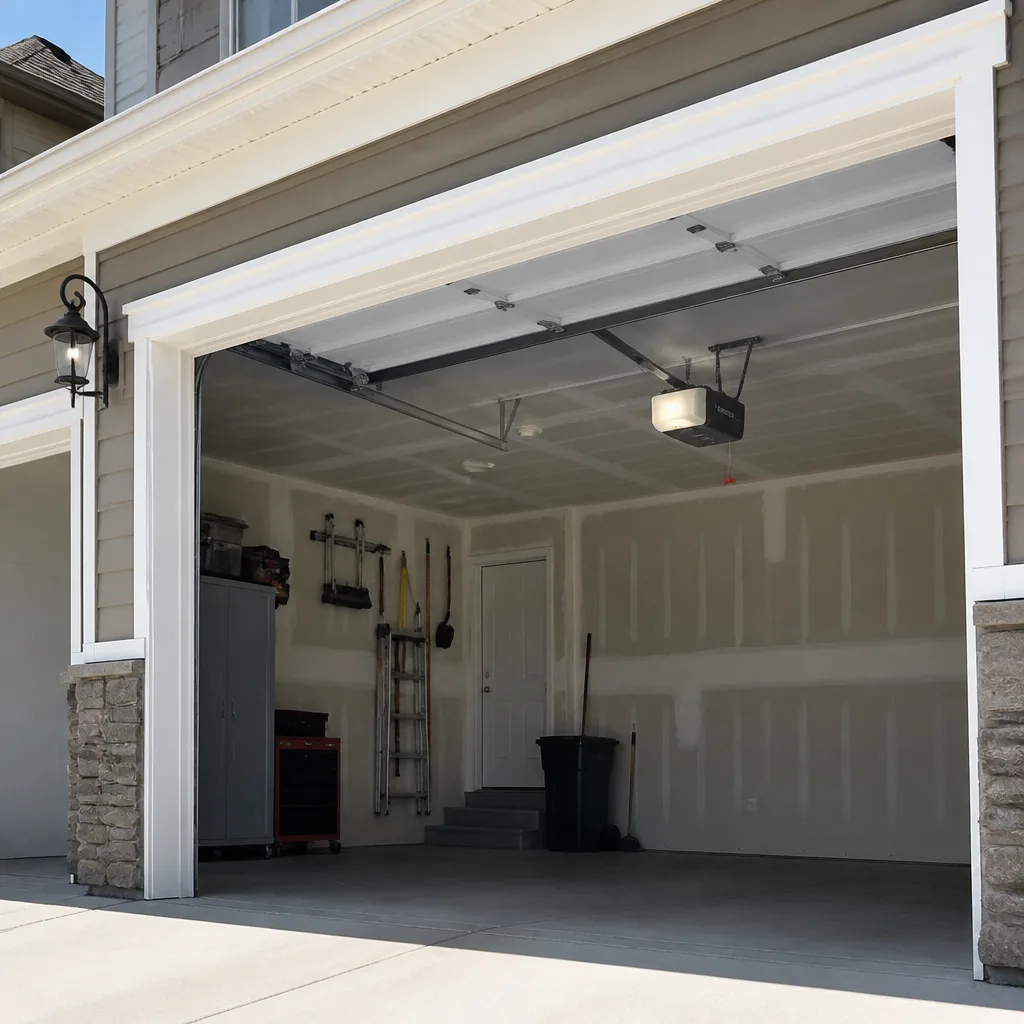 Chamberlain openers
Full 25-point door and opener safety check with every visit - springs, cables, rollers, tracks, and your LiftMaster or Chamberlain opener included
You get a price before we start. It does not change when the pro arrives.
Get your free estimateGarage Door Warning Signs: A Riverview Homeowner’s Reference Guide
A garage door that’s “a little slow” isn’t just annoying. It’s often a torsion spring that has lost significant tension and is weeks away from a full break, which in a worst-case scenario means a door that drops without warning. Most homeowners in Riverview walk past three or four early warning signs every day without recognizing them, then call us when the door finally stops moving. This guide works like a diagnostic manual: each symptom below is tied to the specific component that’s failing, so you can describe the problem accurately, judge how urgent it is, and know when to stop using the door entirely. We’ll cover sound-based diagnostics, visual wear indicators, a 30-second balance test, and which signs mean same-day service versus a scheduled appointment.
Quick Answer
The most serious garage door warning signs in Riverview are a door that won’t lift by hand, a visible gap in a torsion spring, a frayed or kinked cable, and any door that reverses or drops unexpectedly. Those four point to spring or cable failure and mean stop using the door and call a specialist. Grinding, scraping, and clicking noises are usually mechanical wear that needs a scheduled repair rather than an emergency.
Styles & brands we work with
- Raised-panel steel
- Carriage house
- Modern flush
- Full-view glass
- LiftMaster openers
- Chamberlain openers
Table of Contents
- Sound Diagnostics: What Each Noise Tells You
- Visual Warning Signs Most Homeowners Walk Past
- The 30-Second Door Drift Test
- Which Signs Need Same-Day Service
- Manual vs. Opener Failure: Reading the Difference
- Seals, Rollers, and Panels in a Riverview Climate
- Track, Hinge, and Hardware Wear
- Opener Warning Signs and Smart Systems
Sound Diagnostics: What Each Noise Tells You
Noise is the earliest signal a garage door gives you, and the type of noise narrows down the failing part before anyone touches the door. Here’s how we read each one.
- Grinding: Usually the opener’s gear and sprocket, or a drive gear that has worn down inside the motor housing. A grinding opener that still moves the door is on borrowed time; the gear set is shearing itself apart. On chain-drive units from LiftMaster or Chamberlain, a dry or misaligned chain can produce a similar sound and is worth ruling out first.
- Popping or a loud bang: A popping sound during operation, especially from the center of the door above the top panel, points to the torsion spring. A single loud bang followed by a door that won’t lift means the spring has broken. Stop using the door.
- Scraping: The door is rubbing its track. Usually a bent track section, a loose hinge, or a roller that has worn past its bearing. Scraping left alone wears the track and the door edge, and it’s a cheap fix early and an expensive one late.
- Clicking: Often the opener’s logic board or a relay trying to engage and failing. A Genie or Craftsman opener that clicks repeatedly without moving the door is usually reporting an internal fault rather than a mechanical one.
One caution about noise-diagnosis from the outside: the sound tells you the category, not the severity. Only an inspection of the actual hardware confirms whether a popping spring has a hairline gap forming or has already cracked through. That difference decides whether you have a scheduled repair or an urgent one.
If the noise comes with the door refusing to move at all, that’s the moment to think about emergency garage door service rather than waiting for a normal appointment slot.
Visual Warning Signs Most Homeowners Walk Past
The eye finds the second tier of warning signs, but only if you know where to look. These are the things we check on arrival in Riverview, and almost none of them are obvious to a homeowner glancing at the door on the way to the car.
- Cable fraying. Look at the two cables running down each side of the door to the bottom bracket. A healthy cable is smooth and evenly wound. Fraying, kinks, or a birdcage bulge mean the cable is failing. Cables carry the same stored tension as springs and are dangerous to touch, so this one is inspect-only for a homeowner.
- Roller wear. Rollers should be round and turn freely. Flat spots, wobble, or a roller whose bearing has seized tells you the door is dragging instead of rolling, which wears the opener faster.
- Bottom seal compression. The rubber seal along the bottom should sit flat and evenly compressed against the floor. A seal that’s flat in the middle and pinched at the corners means the door is misaligned or the seal has hardened. In Riverview’s mild winters the seal doesn’t face freeze damage, but heat and sun exposure harden the rubber over time and it loses its spring.
- Spring gap. Torsion springs sit on the shaft above the door. A visible gap in the coil means the spring has broken and needs replacement. Do not attempt to operate the door; the spring is what holds the weight.
- Panel cracks or separation. Small cracks at panel edges or horizontal seams that start to open signal the door structure is under stress, usually from a failing spring or a bent track.
Our technicians have up to 14 years of experience reading these signs, and we know that a homeowner spotting any single one of them is a good enough reason to get the door looked at, even if it still opens.
The 30-Second Door Drift Test
The door drift test tells you whether your springs are balanced or overdue, and it takes half a minute. It’s the single most useful check a homeowner can do without tools.
- Close the door and disconnect the opener using the manual release cord (the red handle).
- Lift the door by hand to about waist height. It should lift with steady, even resistance. A door that feels unusually heavy means the springs are losing tension.
- Let go at waist height. A balanced door stays put or drifts very slowly. A door that drops quickly means the springs are seriously under-tensioned.
- Pull the door down to about hip height and let go again. It should not fall. If it does, the springs are weak on the lowering side.
What the results mean: a door that stays put or drifts slowly is balanced. A door that falls sharply, or that you have to fight to lift, is telling you the springs are overdue. Springs under-tensioned do double damage; they wear faster, and they put extra strain on the opener motor, which then wears out earlier than it should.
One important rule for this test: it is a drift test, not a repair test. If the door doesn’t hold, don’t try to adjust the springs. Torsion springs hold enormous stored energy, and adjusting or replacing them is the most dangerous part of garage door work. Springs handled safely means a trained technician, every time.
Which Signs Need Same-Day Service
Some signs mean stop using the door and call now. Others mean schedule a repair at your convenience. The dividing line is safety risk, not the noise level.
Same-day, stop using the door:
- A broken spring, visible as a gap in the torsion spring or a door that won’t lift by hand.
- A frayed or kinked cable.
- A door that reverses unexpectedly, drops fast, or has come off one track.
- Any door that has fallen or partially collapsed.
- A door that won’t close and leaves the home open.
Scheduled appointment, usable in the meantime:
- Grinding or clicking from the opener that still moves the door.
- A scraping track noise, provided the door still closes fully.
- Faded or hardened bottom seals.
- Worn or squeaking rollers and hinges.
- A door that is louder than it used to be but operates normally.
In Riverview, a stuck door is rarely just an inconvenience. The garage is often the main way into the house, so an unusable door cuts off access to the home. For those cases, our emergency garage door service is a named part of what we do, not an afterthought. You can call (866) 885-7049 and get help arranged, and we’ll quote the price before any work begins.
Manual vs. Opener Failure: Reading the Difference
Two scenarios confuse homeowners, and the difference between them points at two completely different components. Getting this right saves time, money, and a misdiagnosed repair.
A door that works fine manually but struggles with the opener is an opener problem. The door itself, springs and all, is fine. The motor, the gear, the drive chain or belt, the logic board, or the safety sensors are failing. When the opener strains to move a door that a person can lift easily, the fault is on the electronic side. Opener systems from LiftMaster, Chamberlain, Genie, and Craftsman all fail in different places, and the fix depends on diagnosing the specific model. This is where garage door opener repair focused on the electronics makes the difference.
A door that works fine with the opener but won’t lift manually is almost always a spring problem. If the motor can raise it but a person can’t, the springs aren’t carrying their share of the weight. The motor is doing work the springs should be doing. This is the signature of failing torsion springs, and it usually precedes a full break.
One caution for both cases: if you can’t lift the door by hand and the opener still operates, don’t keep using it. The motor is overloading, and the door is holding weight it isn’t designed to hold.
If you’re not sure which scenario describes your door, that’s a good reason to have someone look. The distinction is best judged on the spot.
Seals, Rollers, and Panels in a Riverview Climate
Riverview’s mild winters and warm, humid summers shape which warnings you’ll see and how fast they appear. That matters for a homeowner reading this guide from a garage in the area.
Bottom seals: They harden from sun and heat rather than freeze damage. A seal that has lost its compression lets in water, insects, and warm air. In a region with warm, humid summers, that’s a real problem for a sealed garage, and hardening seals fail quietly. Replace them when the rubber loses its flexibility, not just when it looks worn.
Rollers and hinges: Rollers wear faster than the door. A flat-spotted roller makes a door noisy and forces the opener to work harder. Check the rollers along both tracks by eye every season; a roller that isn’t turning freely is endangering the door’s balance.
Panels: Door materials handle the region’s mild winters without the deep cold contraction that splits some doors elsewhere. That means sun and humidity are the bigger stressors. Cracked panels or a door whose paint has weathered past the surface are signs worth attention. A Clopay or Amarr door doesn’t fail from aesthetics, but a crack in the panel does weaken the structure.
Weatherstripping and thresholds: The seal at the sides and top of the door is easy to forget. A worn side seal lets in warm air and can let in pests. Look for gaps where the weatherstripping meets the frame.
None of these are emergencies on their own. But they stack up. In our experience, a Riverview door that has a hardened seal, flat-spotted rollers, and slightly weak springs will fail the drift test the next season. Fixing the inexpensive wear items early is what prevents the expensive ones later.
Track, Hinge, and Hardware Wear
Tracking problems look simple and aren’t. Tracks, hinges, and brackets are the door’s skeleton, and a misaligned track can turn a minor issue into a door off its rollers.
What to check for:
- Track bends or dents, especially at the curve where the vertical track meets the horizontal.
- A gap between the roller and the track edge, which the door can slip through.
- Loose hinges or bracket screws backing out over time.
- A door that looks tilted rather than level when closed.
A tilted door is a serious warning sign. It means one side is carrying more weight than the other, and the cause is usually a failing spring or a bent track on one side. It’s also the most common precursor to a door coming off its track. When a door comes off track, stop operating it and leave it. Pushing a jammed track with an opener or by hand can bend the panels and force a full replacement instead of a repair.
Track problems are also one of the times we look carefully at whether the door is worth repairing or replacing. If the track is bent at the curve and the panels are stressed, an honest inspection will tell you which option makes sense. That judgement is part of garage door repair rather than something you should guess at.
Opener Warning Signs and Smart Systems
Modern openers send signals before they fail, and connected systems have their own set of warnings. A door that has started reversing, hesitating, or responding slowly has an opener story to tell.
- Reversing for no reason: usually the safety sensors, misaligned or dirty. If the sensors are clean and aligned, the logic board or the force limit is failing.
- Hesitation or stalling: the motor is straining. This is the moment to check whether the door itself is balanced, since a weak spring overworks the motor and can burn out a brand-new opener.
- Clicking without movement: the opener’s relay or logic board, most common in older units.
- Smart opener disconnects: if your app reports the door open, or the opener keeps dropping off your network, that’s usually a signal, WiFi, or board issue. Brands like Chamberlain and LiftMaster with integrated connectivity need a specific diagnostic path for each symptom.
The largest mistake we see with openers is replacing a motor to fix a door problem. If a new opener is installed on a door with weak springs, the new opener fails too. Matching the opener to the door’s condition is the part that matters. That’s why our work on garage door opener repair starts with the door, not the motor, and it’s why we work on your brand rather than pushing a replacement you don’t need.
If your opener has failed and the door won’t move at all, that’s a call now rather than later. We can be reached at (866) 885-7049.
Common Mistakes to Avoid
- Ignoring a door that won’t lift by hand. In a Riverview home, a struggling door often gets propped open or forced. Both stress the springs further and risk a sudden drop. The drift test tells you the truth; the door’s “working anyway” doesn’t.
- Replacing the opener before checking the door. A motor that strains against a weak spring or a dragging roller burns out fast. Fix the door first, then judge the opener.
- Trying to adjust or replace springs yourself. Torsion springs carry stored energy that can cause serious injury. We’d rather see a homeowner replace a seal or a roller than touch a spring, and we’d rather see a trained professional for the spring every time.
- Confusing a scraping track with a door problem. A bent track can be realigned, but forcing a stuck door against it bends panels and turns a repair into a replacement.
- Assuming a new seal solves every gap. A seal that compresses unevenly means the door is misaligned, not just the seal. A new seal on an unbalanced door is money spent twice.
- Waiting for a “big” sign. In our experience, the loud ones are often the least urgent. Grinding gear noise is a scheduled repair; a quiet, slow drift is an overdue spring. Size of the warning doesn’t match size of the danger.
See the difference
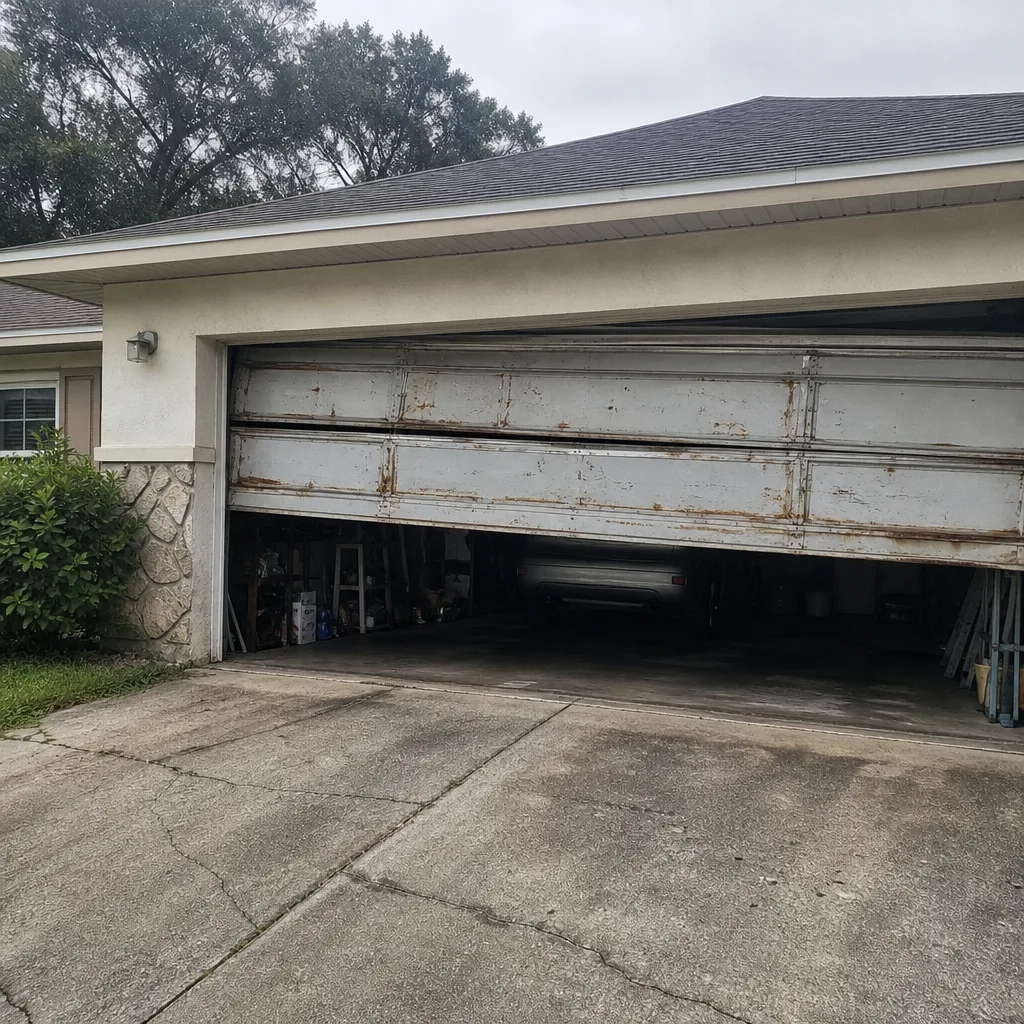 Before
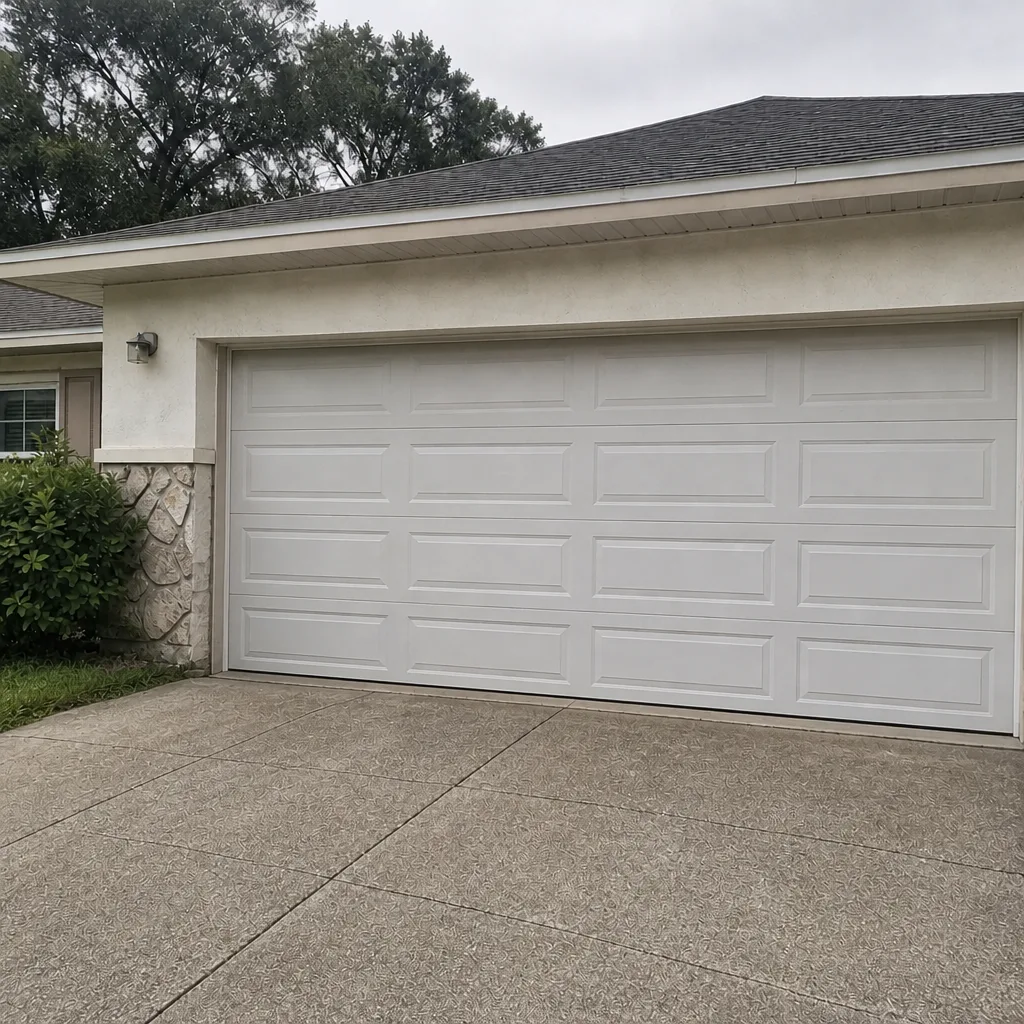 After
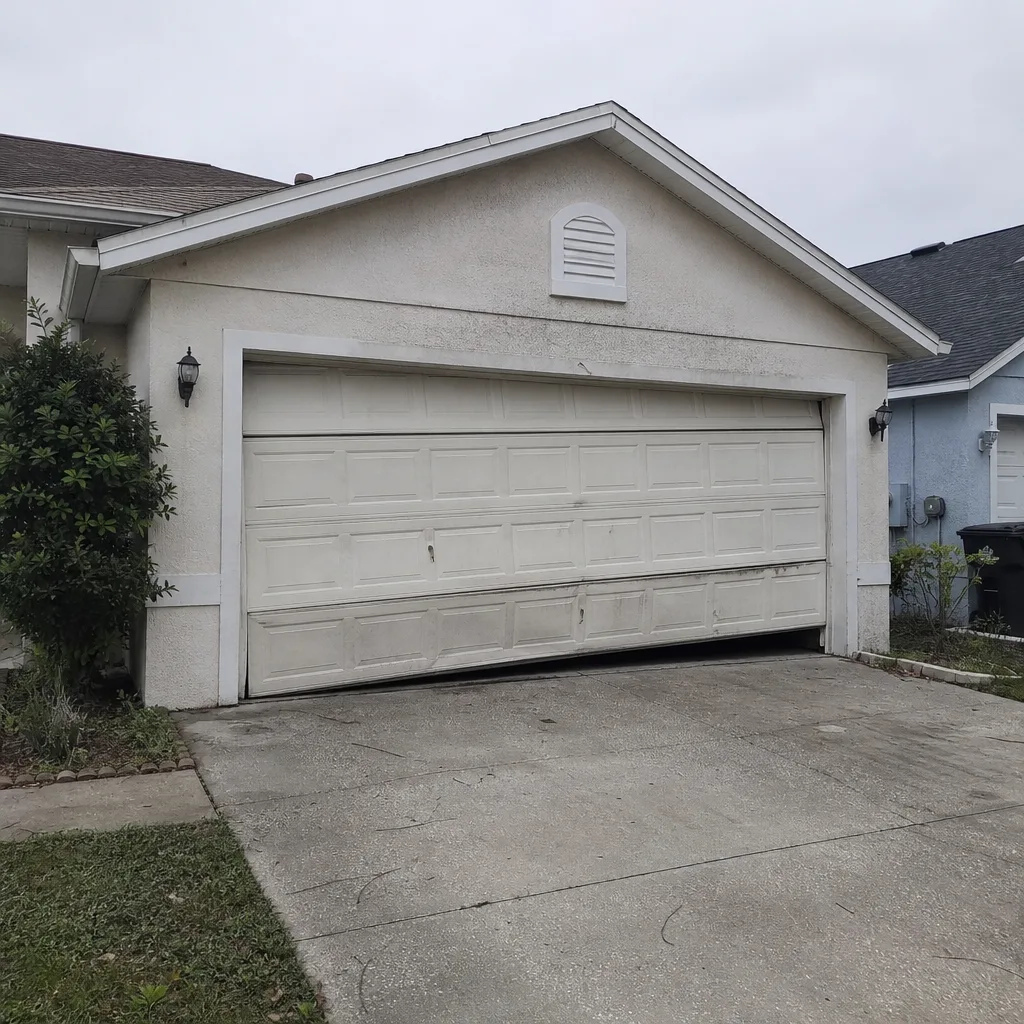 Before
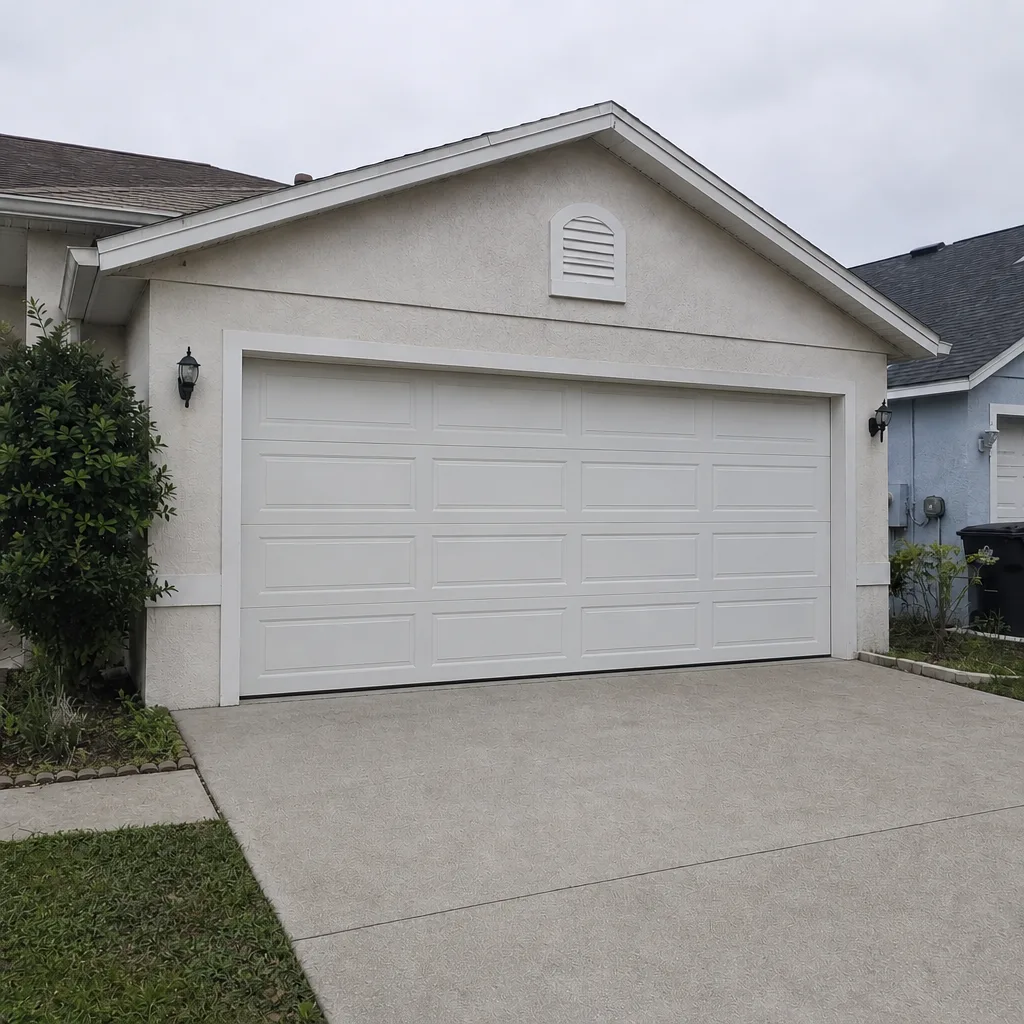 After
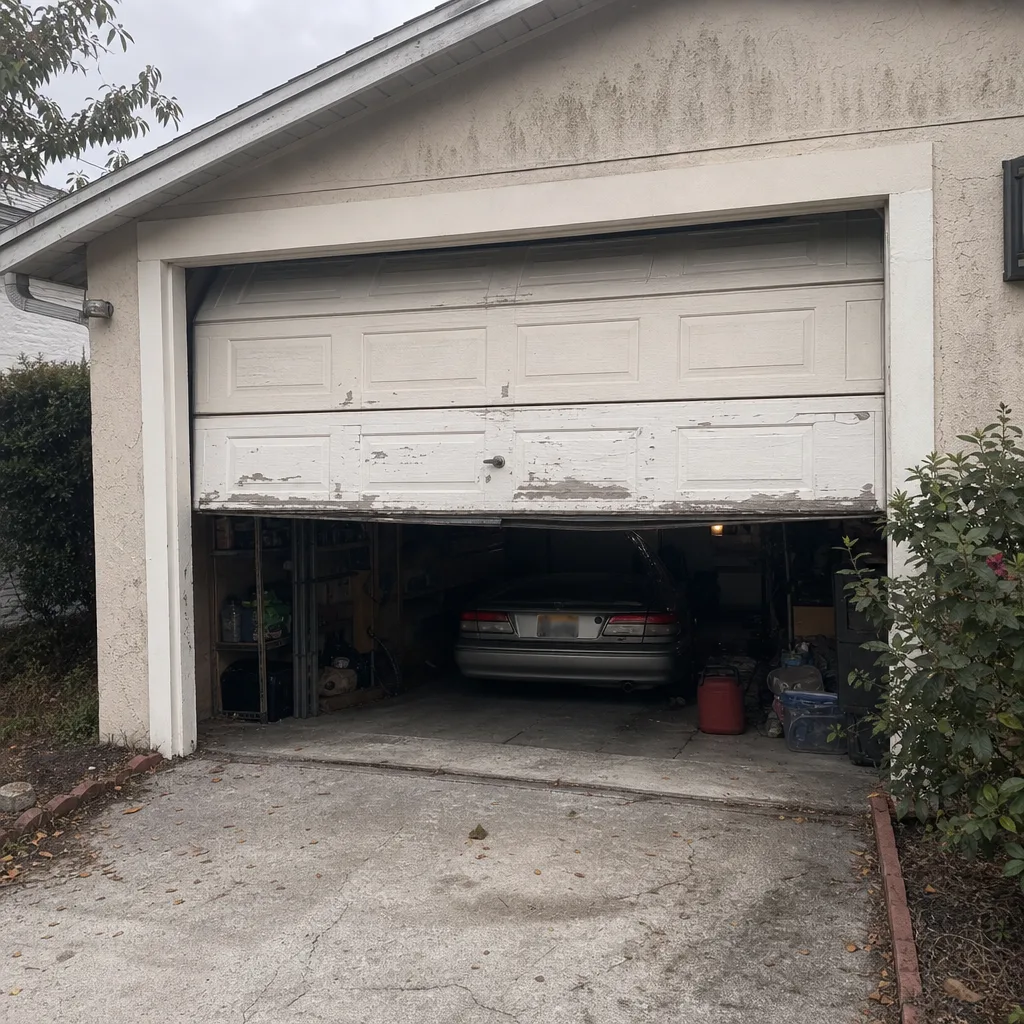 Before
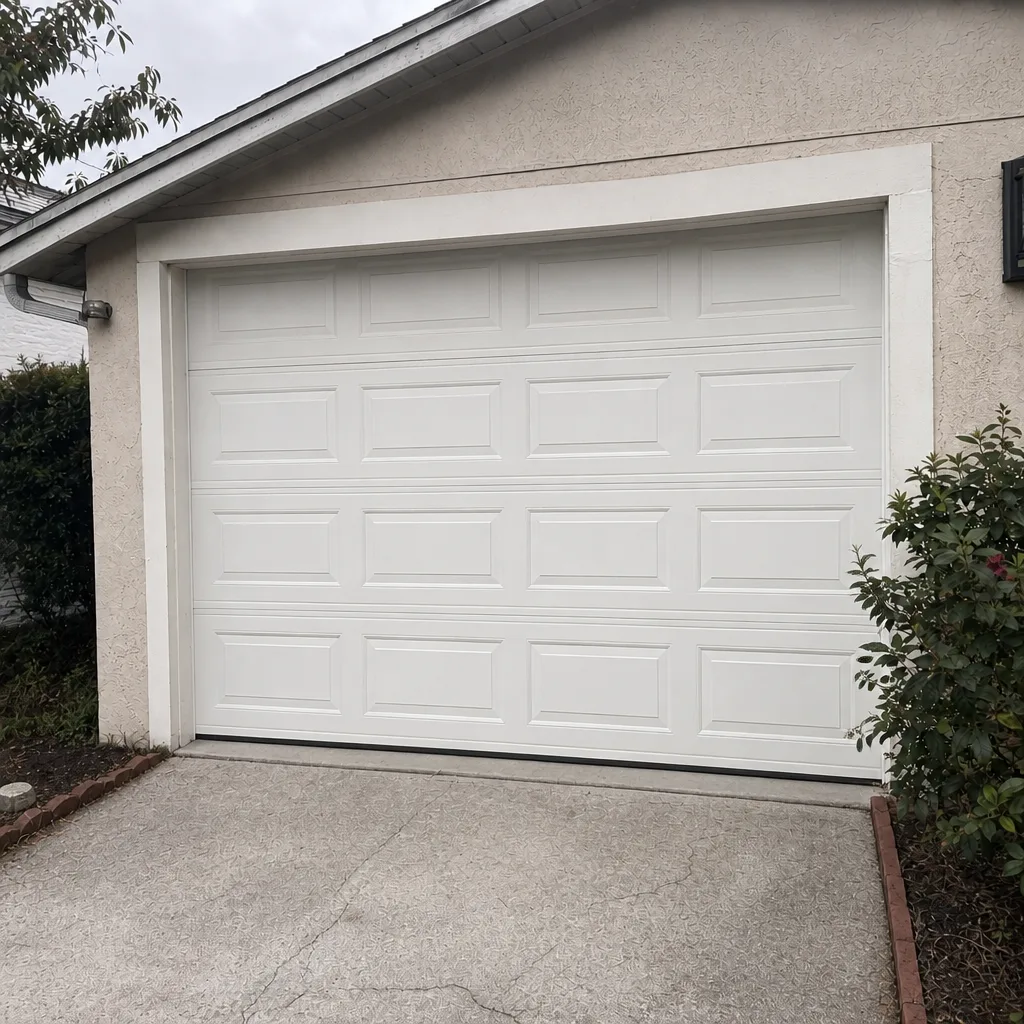 After
When to Call a Professional
Call us when the door won’t lift by hand, when you see a gap in the spring or a frayed cable, when the door reverses or drops, or when it won’t close. Call now if the door is off its track. For grinding openers, scraping tracks, hardened seals, and worn rollers, a scheduled appointment is enough. We handle garage door spring repair as a specialty because it’s the most technically demanding part of the job. Our technicians have up to 14 years of experience, we work on eight major brands, and we cover repairs, openers, springs, and full installation so you don’t need a second company for any of it. Riverview Garage Door Repair Pros offers free estimates in Riverview. Call (866) 885-7049.
One note on availability: we’re open Sunday through Friday, 7am to 7pm, and closed Saturday. If your door fails on a Saturday, call and we’ll book you for Sunday.
Frequently Asked Questions
Spring repair is priced per job after an inspection, and the written estimate sets the final price before any work starts. A spring price covers one spring, and because springs are usually replaced in matched pairs, a pair costs about twice a single spring. Call (866) 885-7049 for an exact quote, and estimates are free.
Usually not, and it shouldn’t be forced. The spring carries the door’s weight; without it, the door is dead weight and can drop suddenly. A door with a broken spring should be left closed until a technician assesses it.
A door that won’t lift by hand is the clearest sign of a failing spring or cable and needs same-day attention. A visible gap in the torsion spring, frayed cable, or a door that has come off its track are also emergency-level signs.
For urgent situations such as a broken spring, a door that won’t close, or a door off its track, we offer same-day help through our emergency service. Call (866) 885-7049 and we’ll get someone out. We’re open Sunday through Friday, 7am to 7pm, and closed Saturday.
No. The price is quoted and agreed before any work starts; the written estimate sets the final price. If the door turns out to need more than we thought, we’ll talk it through with you first, not add it to the bill after the fact.
The local professionals we connect you with are licensed and insured as required by their state, and they work on your brand, whether that’s Chamberlain, Genie, Clopay, Amarr, or another major manufacturer. Our technicians have up to 14 years of experience. Call (866) 885-7049 to arrange a free estimate.
The Bottom Line
Warning signs on a garage door are specific, and each one points at a component. Grinding means gear and opener; popping means spring; scraping means track; clicking means logic board. Visually, check for spring gaps, frayed cables, flat-spotted rollers, and hardened seals. Run the drift test every season, and keep your hands off the springs when the door doesn’t hold. Same-day help is for doors that won’t lift, doors that have dropped, and doors that won’t close. Everything else can be scheduled. If you’re in Riverview and something on this list is happening in your garage, call (866) 885-7049 for a free estimate, and we’ll tell you plainly whether it’s a repair or a replacement. That is the Riverview Garage Door Repair Pros approach: one call covers it all.
Written by the team at Riverview Garage Door Repair Pros.